Post-joint replacement rehabilitation in Noida plays an important role in helping patients recover after knee or hip replacement surgery. Rehabilitation focuses on improving joint movement, rebuilding muscle strength, restoring balance, and helping patients gradually return to their daily activities. Under the guidance of an experienced orthopaedic specialist like Dr. Tushar Dhawan at Dhawan Joint & Bone Care, patients can receive personalized recovery guidance based on their surgical procedure, physical condition, and rehabilitation goals.
Whether you have undergone robotic knee replacement, conventional knee replacement, or hip replacement surgery, a structured rehabilitation plan can help support recovery and improve functional mobility.
Post-joint replacement rehabilitation is a recovery program designed to help patients regain strength, flexibility, balance, and mobility following joint replacement surgery. It may include guided exercises, walking practice, movement training, pain management strategies, and instructions for safely performing everyday activities.
The rehabilitation process varies depending on the type of surgery, overall health, and individual recovery progress. Following medical advice and attending recommended rehabilitation sessions can help patients recover safely and progressively.
Post-joint replacement rehabilitation is an essential part of recovery because surgery alone may not restore full strength and movement. Appropriate rehabilitation helps patients adapt to their new joint and gradually rebuild their physical abilities.
Key benefits may include:
Improved Joint Mobility: Exercises help gradually restore movement and flexibility in the operated joint.
Increased Muscle Strength: Targeted exercises strengthen the muscles supporting the replaced joint.
Better Walking Ability: Walking practice and mobility training help patients regain confidence in everyday movement.
Improved Balance: Balance exercises can support safer movement and reduce the risk of falls.
Reduced Stiffness: Prescribed movement and exercises may help manage stiffness during recovery.
Greater Independence: Rehabilitation helps patients gradually resume routine activities with appropriate support.
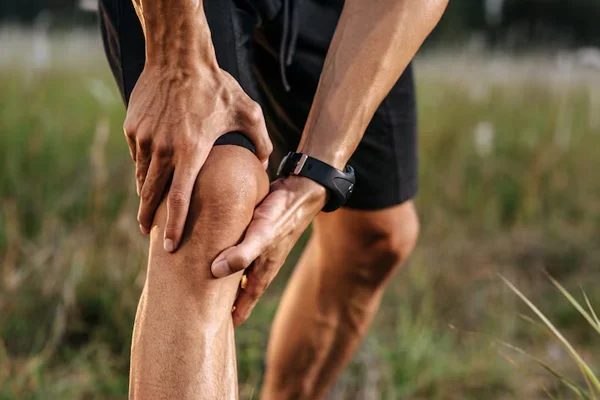
Rehabilitation after knee replacement surgery focuses on restoring knee movement, strengthening surrounding muscles, and improving walking ability. Patients may initially require walking aids and assistance with daily activities, depending on their condition.
A personalized rehabilitation plan may include:
Gentle knee bending and straightening exercises
Quadriceps and hamstring strengthening
Walking and gait training
Balance and coordination exercises
Guidance on climbing stairs and sitting safely
Gradual progression to everyday activities
Exercises should be performed according to the treating surgeon's and physiotherapist's instructions. Progression depends on healing, pain levels, and individual functional ability.
Post-joint replacement rehabilitation following hip replacement surgery aims to improve walking, strengthen the muscles around the hip, and support safe movement during recovery.
The rehabilitation program may involve:
Gentle mobility exercises as prescribed
Walking with appropriate support
Strengthening the hip and leg muscles
Balance and posture training
Instructions for getting in and out of bed or chairs
Guidance on following any movement precautions recommended by the surgeon
Patients should follow their surgeon's specific instructions because movement precautions and rehabilitation requirements vary depending on the surgical approach and individual circumstances.
The rehabilitation process generally progresses through different stages, depending on the patient's health, surgery, and recovery rate.
Early Recovery: The focus is on safe movement, pain and swelling management, circulation, and beginning prescribed exercises.
Strength and Mobility Training: Exercises gradually progress to improve joint movement, muscle strength, walking ability, and balance.
Return to Daily Activities: Patients work toward greater independence with routine tasks, stairs, and other functional movements as medically appropriate.
Recovery timelines differ for every patient. Regular follow-up appointments help the treating team assess progress and adjust the rehabilitation plan when necessary.
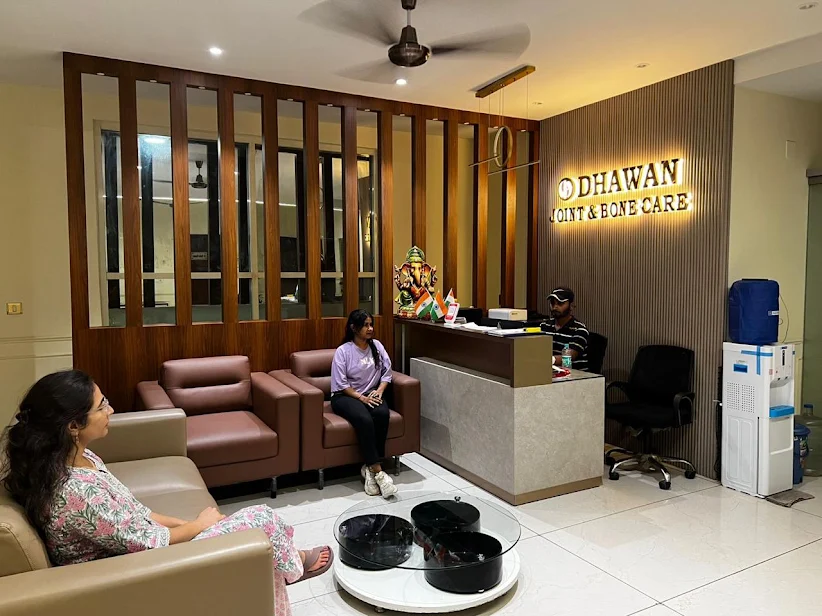
At Dhawan Joint & Bone Care, Dr. Tushar Dhawan provides orthopaedic consultation and guidance for patients recovering from joint replacement surgery. The focus is on individualized treatment recommendations, safe recovery practices, and improving mobility following knee and hip replacement procedures.
Patients benefit from:
Orthopaedic expertise in knee and hip replacement surgery
Personalized guidance based on surgical and recovery needs
Advice on appropriate exercises and activity progression
Monitoring of joint function and recovery concerns
Emphasis on patient education and safe mobility
Rehabilitation exercises may be provided by a qualified physiotherapist as part of a coordinated recovery plan, according to the patient's needs.
Contact your treating doctor if you experience worsening pain, increasing redness or swelling around the surgical site, wound discharge, or a sudden decline in mobility. Sudden shortness of breath, chest pain, or significant calf swelling or pain requires urgent medical assessment, as these may indicate a serious complication.
Recovering after knee or hip replacement surgery requires appropriate guidance, patience, and a personalized approach. If you need advice about post-joint replacement rehabilitation in Noida, consult Dr. Tushar Dhawan at Dhawan Joint & Bone Care to discuss your recovery needs and suitable next steps.
The goal is to help you regain movement safely, improve everyday function, and work toward a more active lifestyle.
Post-joint replacement rehabilitation is a recovery program involving prescribed exercises, mobility training, and functional activities to help patients regain strength and movement after knee or hip replacement surgery.
Rehabilitation helps improve knee flexibility, strengthen surrounding muscles, improve walking ability, and support a gradual return to daily activities.
Recovery varies depending on the type of surgery, overall health, and individual progress. Many patients improve over several weeks to months, although complete recovery can take longer.
Many patients begin walking with assistance soon after surgery when medically appropriate. The timing and amount of walking depend on the surgeon's instructions and the patient's condition.
Recommended exercises may include gentle joint movements, muscle-strengthening activities, walking practice, and balance training. Exercises should be selected and progressed by the treating healthcare team.
You can consult Dr. Tushar Dhawan at Dhawan Joint & Bone Care in Noida for orthopaedic advice and guidance regarding recovery after knee or hip replacement surgery.


