Shoulder replacement surgery in Noida is an advanced orthopaedic procedure used to relieve persistent shoulder pain, improve joint movement, and restore function when the shoulder joint is severely damaged. The procedure involves replacing damaged parts of the shoulder joint with artificial components to help reduce pain and improve mobility.
At Dhawan Joint & Bone Care, Dr. Tushar Dhawan provides orthopaedic consultation and guidance for patients experiencing severe shoulder pain, stiffness, arthritis, and other conditions affecting shoulder function. Treatment recommendations are based on the patient's symptoms, medical history, imaging findings, and overall health.
Shoulder replacement surgery, also known as shoulder arthroplasty, involves replacing damaged portions of the shoulder joint with artificial implants. It may be recommended when non-surgical treatments no longer provide sufficient relief from pain or functional limitations.
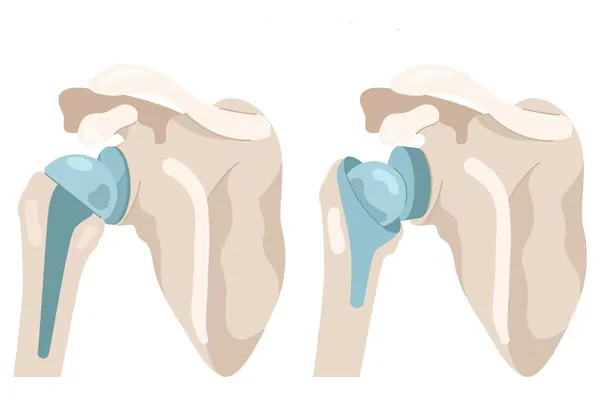
Depending on the condition of the joint, the surgeon may recommend total shoulder replacement, partial shoulder replacement, or reverse shoulder replacement. The choice of procedure depends on factors such as the extent of joint damage, rotator cuff function, bone quality, and the patient's individual needs.
Shoulder replacement surgery may be considered for patients with severe shoulder conditions that affect everyday activities and quality of life.
Common conditions include:
Shoulder Osteoarthritis: Wear and tear of the joint cartilage that causes pain, stiffness, and restricted movement.
Rheumatoid Arthritis: Inflammatory joint disease that can damage shoulder cartilage and surrounding structures.
Severe Shoulder Fractures: Complex fractures that significantly damage the shoulder joint and may not be suitable for other treatments.
Rotator Cuff Arthropathy: Shoulder joint damage associated with a severely compromised rotator cuff.
Avascular Necrosis: Loss of blood supply to the bone, which can lead to bone damage and joint dysfunction.
Persistent Shoulder Pain: Severe pain and functional limitations that continue despite appropriate non-surgical treatment.
A detailed orthopaedic assessment is necessary to determine whether shoulder replacement is appropriate.
The type of shoulder replacement depends on the nature of the joint damage and the condition of the surrounding muscles and tendons.
Total shoulder replacement involves replacing the damaged surfaces of the ball-and-socket joint with artificial components. It may be suitable for selected patients with advanced arthritis and a functioning rotator cuff.
Partial shoulder replacement involves replacing only the damaged part of the shoulder joint, usually the ball of the upper arm bone. It may be considered in selected cases where the socket does not require replacement.
Reverse shoulder replacement changes the normal arrangement of the ball and socket. It may be recommended for certain patients with severe rotator cuff damage, complex fractures, or other specific shoulder conditions.
The most suitable procedure is determined after reviewing the patient's clinical condition and diagnostic investigations.
For appropriately selected patients, shoulder replacement surgery may offer several benefits:
Pain Relief: Helps reduce pain caused by advanced joint damage.
Improved Mobility: May improve the ability to move the shoulder and perform daily activities.
Better Joint Function: Can support activities such as dressing, grooming, and reaching.
Improved Quality of Life: Reduced pain and better function may help patients participate more comfortably in everyday routines.
Personalized Treatment: The surgical approach can be selected according to the patient's condition and functional requirements.
The extent of improvement varies from patient to patient, and surgery cannot guarantee complete pain relief or normal shoulder movement.
Shoulder replacement surgery is performed in a hospital under appropriate anaesthesia. The surgeon removes and replaces the damaged joint surfaces using suitable artificial implants.
Before surgery, patients undergo a medical assessment and diagnostic investigations to evaluate the shoulder joint and overall fitness for the procedure. After surgery, the treating team monitors recovery and provides instructions regarding wound care, pain management, and shoulder movement.
The length of the hospital stay and the recovery process depend on the type of replacement, the patient's health, and any additional medical considerations.
Recovery after shoulder replacement surgery involves gradual healing and a structured rehabilitation plan. Patients may need to wear a sling for a period recommended by their surgeon to protect the operated shoulder.
Rehabilitation may include:
Gentle movements as advised by the treating team
Prescribed exercises to maintain appropriate mobility
Gradual strengthening of the shoulder muscles
Guidance on daily activities and movement precautions
Follow-up assessments to monitor healing and progress
Recovery often takes several months, and the timeline varies according to the surgical procedure and individual circumstances. Patients should avoid lifting heavy objects or starting strenuous shoulder exercises until cleared by their surgeon.
Dr. Tushar Dhawan is a Consultant Orthopaedic Surgeon with expertise in joint replacement, arthroplasty, arthroscopy, and trauma care. At Dhawan Joint & Bone Care, he provides orthopaedic evaluation and personalized treatment guidance for patients experiencing joint pain and movement difficulties.
Patients can expect an approach focused on:
Detailed assessment of shoulder pain and joint function
Evaluation of appropriate surgical and non-surgical options
Individualized treatment recommendations
Clear explanations of the procedure and expected recovery
Guidance on rehabilitation and follow-up care
The recommended treatment depends on the patient's diagnosis, medical history, and individual needs.
Persistent shoulder pain and stiffness can make everyday activities challenging. If medication, activity modification, and other conservative treatments have not provided sufficient relief, an orthopaedic consultation can help determine the next steps.
Consult Dr. Tushar Dhawan at Dhawan Joint & Bone Care in Noida for an assessment of your shoulder condition and guidance on suitable treatment options, including shoulder replacement surgery when indicated.
Shoulder replacement surgery is an orthopaedic procedure in which damaged parts of the shoulder joint are replaced with artificial implants to relieve pain and improve joint function.
It may be recommended for patients with severe shoulder arthritis, complex fractures, rotator cuff arthropathy, or other conditions causing persistent pain and restricted movement despite appropriate non-surgical treatment.
The procedure commonly takes around one to three hours, although the exact duration depends on the type of replacement, the complexity of the condition, and other surgical factors.
Recovery generally takes several months. Improvement depends on the procedure performed, the patient's health, healing progress, and adherence to the prescribed rehabilitation program.
Yes, rehabilitation is generally an important part of recovery. A surgeon-guided physiotherapy program helps restore appropriate movement, gradually improve strength, and support the return to daily activities.
You can consult Dr. Tushar Dhawan at Dhawan Joint & Bone Care in Noida for an orthopaedic assessment and advice about suitable treatment options for shoulder joint problems.


