
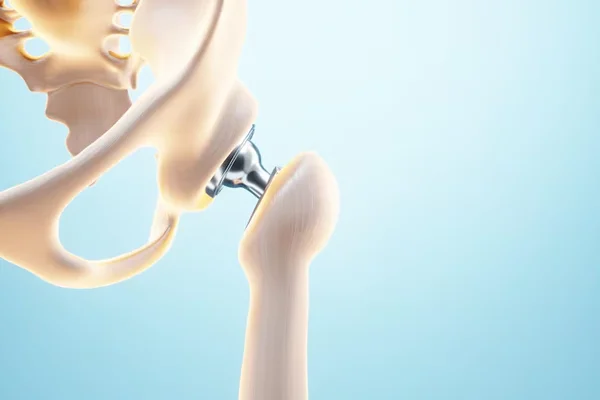
Hip Replacement Surgery in Noida is an effective orthopaedic treatment for patients experiencing severe hip pain, joint stiffness, and difficulty walking due to advanced joint damage. The procedure involves replacing damaged portions of the hip joint with artificial implants to reduce pain, improve mobility, and support a better quality of life.
At Dhawan Joint & Bone Care, Dr. Tushar Dhawan provides orthopaedic consultation and treatment guidance for patients with hip joint disorders. With expertise in joint replacement, arthroplasty, and trauma care, he evaluates each patient's condition to recommend an appropriate treatment plan based on their symptoms, medical history, and functional needs.
Hip replacement surgery, also known as hip arthroplasty, is a procedure in which damaged cartilage and bone in the hip joint are replaced with artificial components. It is commonly recommended when severe joint damage causes persistent pain and limits daily activities despite appropriate non-surgical treatment.
The procedure may involve replacing the ball of the thigh bone, the socket of the hip joint, or both, depending on the patient's condition. The primary goals are to reduce pain, improve joint function, and help patients move more comfortably.
Hip replacement surgery may be considered when hip joint damage significantly affects a person's mobility, comfort, and independence.
Common conditions that may require hip replacement include:
Hip Osteoarthritis: Wear and tear of the joint cartilage that causes pain, stiffness, and reduced movement.
Avascular Necrosis: Loss of blood supply to the femoral head, potentially resulting in bone damage and joint collapse.
Rheumatoid Arthritis: An inflammatory condition that can progressively damage the hip joint.
Hip Fractures: Certain severe fractures, particularly in older adults, may require partial or total hip replacement.
Post-Traumatic Arthritis: Joint deterioration following an earlier injury or fracture.
Advanced Hip Joint Damage: Severe joint deterioration that causes persistent pain and difficulty performing everyday activities.
An orthopaedic assessment, along with appropriate imaging and medical evaluation, helps determine whether surgery is suitable.
The appropriate type of hip replacement depends on the extent of joint damage, bone quality, age, activity level, and overall health.
Total hip replacement involves replacing both the damaged ball of the femur and the socket of the hip joint with artificial components. It is commonly performed for advanced arthritis and other conditions that severely damage the joint.
Partial hip replacement involves replacing the ball of the hip joint while leaving the natural socket intact. It is often considered for specific types of hip fractures, particularly in older patients.
Revision hip replacement is a procedure performed to replace or repair components of a previous hip replacement when problems such as implant loosening, wear, infection, or other complications occur.
Your orthopaedic surgeon will assess your condition and explain which procedure may be most appropriate.
For appropriately selected patients, hip replacement surgery can provide several important benefits:
Reduced Hip Pain: Helps relieve pain associated with severe joint damage.
Improved Mobility: Supports walking and other everyday movements.
Better Joint Function: Helps patients perform routine activities more comfortably.
Enhanced Independence: May reduce difficulty with dressing, sitting, standing, and moving around.
Improved Quality of Life: Reduced pain and better mobility can support a more active lifestyle.
The degree of improvement varies from person to person, and outcomes depend on individual health, the underlying condition, and rehabilitation progress.
Hip replacement surgery is performed in a hospital under appropriate anaesthesia. During the procedure, the surgeon removes damaged joint surfaces and places artificial components designed to restore joint function.
Before surgery, patients undergo a clinical assessment and investigations to evaluate their hip joint, general health, and fitness for the procedure. The surgical approach and implant selection are determined according to individual needs.
After surgery, the medical team monitors the patient's recovery and provides instructions for pain management, wound care, movement, and rehabilitation.
Recovery after hip replacement surgery involves gradual healing, supervised mobility, and a structured rehabilitation plan. Many patients begin standing or walking with assistance soon after surgery when medically appropriate.
The recovery process may include:
Early Mobilization: Supported standing and walking as recommended by the treating team.
Physiotherapy: Exercises to improve strength, balance, and joint function.
Walking Training: Gradual improvement in walking ability, using aids when needed.
Daily Activity Guidance: Instructions for safe sitting, standing, and moving.
Follow-Up Appointments: Assessments to monitor healing and identify potential complications.
Many patients experience significant functional improvement over several weeks to months, although full recovery can take longer. Following your surgeon's advice and attending recommended rehabilitation sessions can help support a safe recovery.
Dr. Tushar Dhawan is a Consultant Orthopaedic Surgeon specializing in joint replacement, arthroplasty, arthroscopy, and trauma care. At Dhawan Joint & Bone Care, he focuses on understanding each patient's condition and recommending appropriate treatment options.
Patients can benefit from:
Orthopaedic Expertise: Evaluation of hip pain, stiffness, and joint disorders.
Joint Replacement Experience: Training in joint replacement techniques, including robotic-assisted procedures.
Individualized Treatment Plans: Recommendations based on diagnosis, medical history, and functional goals.
Patient-Centred Guidance: Clear explanations of treatment choices, surgical considerations, and recovery expectations.
Recovery-Focused Care: Guidance regarding rehabilitation, mobility, and follow-up assessments.
The recommended approach depends on the patient's individual condition and clinical findings.
Persistent hip pain can make walking, climbing stairs, sleeping, and performing everyday activities increasingly difficult. If conservative treatments no longer provide sufficient relief, an orthopaedic consultation can help determine whether hip replacement surgery is appropriate.
Consult Dr. Tushar Dhawan at Dhawan Joint & Bone Care in Noida for an assessment of your hip condition and personalized guidance on available treatment options.
Hip replacement surgery is a procedure in which damaged parts of the hip joint are replaced with artificial components to reduce pain and improve mobility and joint function.
It may be recommended for patients with advanced osteoarthritis, avascular necrosis, certain hip fractures, or other conditions causing severe pain and functional limitations that do not improve sufficiently with non-surgical treatment.
The procedure commonly takes around one to two hours, although the duration can vary depending on the patient's condition, the type of surgery, and its complexity.
Many patients gradually improve over several weeks to months. Recovery time depends on overall health, the surgical procedure, healing progress, and participation in recommended rehabilitation.
Many patients regain substantial walking ability after surgery and rehabilitation. The extent of improvement depends on their condition before surgery, muscle strength, healing, and adherence to medical advice.
You can consult Dr. Tushar Dhawan at Dhawan Joint & Bone Care in Noida for an orthopaedic evaluation and guidance on suitable treatment options for hip joint problems.


