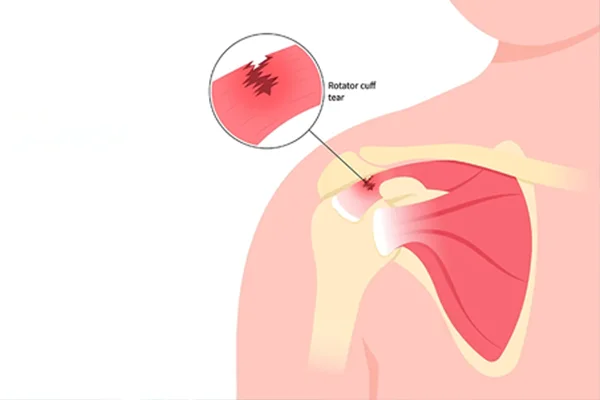
Shoulder Surgery and Rotator Cuff Tear Management in Noida focuses on diagnosing and treating shoulder injuries, tendon damage, pain, and restricted movement. The rotator cuff is a group of four muscles and tendons that help stabilize the shoulder joint and allow the arm to lift and rotate. Injuries to these tendons can cause pain, weakness, and difficulty performing everyday activities.
At Dhawan Joint & Bone Care, Dr. Tushar Dhawan provides orthopaedic consultation and treatment guidance for patients experiencing shoulder pain, stiffness, weakness, and sports-related injuries. With expertise in arthroscopy, orthopaedic surgery, and trauma care, he evaluates each patient's condition to recommend suitable treatment options based on the injury, symptoms, and functional needs.
A rotator cuff tear occurs when one or more of the tendons supporting the shoulder joint become partially or completely torn. The injury may develop gradually due to age-related tendon degeneration or occur suddenly following a fall, lifting injury, or sports accident.
Rotator cuff problems can make it difficult to lift the arm, reach overhead, sleep comfortably, or perform routine tasks. Early assessment helps determine the severity of the injury and whether conservative treatment or surgery may be appropriate.
Rotator cuff injuries can produce symptoms that vary depending on the size and location of the tear.
Common symptoms include:
Shoulder Pain: Discomfort that may worsen when lifting the arm or reaching overhead.
Arm Weakness: Difficulty lifting, carrying, or holding objects.
Restricted Movement: Reduced ability to move the shoulder comfortably.
Night Pain: Shoulder discomfort that may interfere with sleep, especially when lying on the affected side.
Pain During Rotation: Discomfort when rotating the arm or reaching behind the back.
Reduced Daily Function: Difficulty dressing, combing hair, or completing routine household activities.
Sudden severe shoulder pain, significant weakness after an injury, or an inability to lift the arm warrants prompt medical assessment.
Rotator cuff injuries can occur for several reasons, including:
Age-Related Changes: Tendons may weaken gradually over time.
Sports Injuries: Repeated overhead movements or sudden shoulder strain during sports.
Falls and Accidents: Direct impact or forceful movement can damage the tendons.
Repetitive Activities: Frequent overhead work may contribute to tendon irritation and degeneration.
Heavy Lifting: Sudden or excessive loading can injure the shoulder structures.
Understanding the cause and extent of the injury helps the orthopaedic specialist recommend an appropriate treatment plan.
Accurate diagnosis is important for determining the severity of the injury and selecting the most suitable treatment.
The assessment may include:
Clinical Examination: Evaluating shoulder movement, strength, tenderness, and function.
X-rays: Checking for bone abnormalities, arthritis, or other structural changes.
Ultrasound: Assessing the rotator cuff tendons in suitable cases.
MRI Scan: Evaluating the location and extent of a tendon tear and identifying associated soft-tissue injuries.
The need for imaging depends on the symptoms, examination findings, and suspected injury.
Treatment depends on the tear's size, severity, cause, the patient's activity level, and the effect of symptoms on daily life.
Many rotator cuff problems can initially be managed without surgery. Conservative treatment may include:
Activity modification to avoid painful movements
Appropriate pain-relief medication prescribed by a clinician
Physiotherapy to improve shoulder mobility and strength
Gradual strengthening of the shoulder and surrounding muscles
Follow-up assessments to monitor progress
Non-surgical treatment may be particularly appropriate for selected partial tears and degenerative injuries. However, some full-thickness tears, especially those caused by acute injuries, may benefit from early surgical evaluation.
Arthroscopic rotator cuff repair is a minimally invasive procedure used to repair suitable tendon tears. The surgeon uses a camera and specialized instruments inserted through small incisions to examine the shoulder and reattach the torn tendon to the bone using appropriate fixation devices.
The procedure may help relieve symptoms and improve shoulder function in appropriately selected patients. The decision to operate depends on the tear's characteristics, tissue quality, symptoms, and treatment goals.
Some rotator cuff tears may require an open or mini-open surgical approach, depending on their size, complexity, and the surgeon's assessment. The choice of technique is individualized.
Rotator cuff tears may occur alongside other shoulder problems, such as biceps tendon disorders or arthritis. Treatment may need to address these associated conditions as part of an overall management plan.
Shoulder arthroscopy allows the surgeon to examine the inside of the joint and treat selected injuries using small incisions. Depending on the diagnosis, arthroscopic procedures may be used for rotator cuff repair, treatment of certain labral injuries, or management of other soft-tissue problems.
Potential advantages include smaller incisions and the ability to address selected conditions with minimally invasive techniques. However, not every shoulder injury is suitable for arthroscopy, and the expected benefits depend on the procedure performed.
Recovery following rotator cuff repair requires time, protection of the repaired tendon, and a structured rehabilitation plan. The timeline varies according to tear size, repair technique, tissue quality, and individual healing.
Recovery may involve:
Initial Protection: Wearing a sling for the period recommended by the surgeon.
Gentle Mobility: Beginning prescribed passive or assisted movements at the appropriate stage.
Progressive Exercises: Gradually improving shoulder movement as healing permits.
Strengthening: Introducing strengthening exercises when the tendon has healed sufficiently.
Physiotherapy: Following a structured rehabilitation program to restore function.
Follow-Up Care: Monitoring healing and adjusting rehabilitation as needed.
Recovery after rotator cuff repair often takes several months. Returning to heavy lifting or sports may take longer and should occur only when approved by the treating team.
Dr. Tushar Dhawan is a Consultant Orthopaedic Surgeon specializing in arthroscopy, joint replacement, sports injury management, and trauma care. At Dhawan Joint & Bone Care, he provides orthopaedic evaluation and treatment guidance for patients with shoulder pain and movement limitations.
Patients can expect:
Detailed Shoulder Assessment: Evaluation of pain, weakness, range of motion, and injury history.
Personalized Treatment Planning: Recommendations based on the tear and individual functional needs.
Arthroscopy Expertise: Assessment of whether minimally invasive surgery is appropriate.
Clear Treatment Guidance: Explanations of conservative treatment, surgical options, and recovery expectations.
Rehabilitation-Focused Care: Guidance on protecting the shoulder and progressing through recovery.
The recommended treatment depends on the patient's clinical findings, medical history, and individual goals.
Persistent shoulder pain and weakness can interfere with sleep, work, exercise, and everyday activities. Early evaluation can help identify the cause of symptoms and determine whether physiotherapy, medication, or surgery may be appropriate.
Consult Dr. Tushar Dhawan at Dhawan Joint & Bone Care in Noida for an orthopaedic assessment and personalized guidance on shoulder surgery and rotator cuff tear management.
A rotator cuff tear is an injury in which one or more tendons supporting the shoulder joint become partially or completely torn, potentially causing pain, weakness, and restricted movement.
Some partial tears and degenerative injuries can be managed with activity modification, medication, and physiotherapy. Surgery may be considered for selected large, acute, or persistent tears.
Surgery may be recommended when symptoms persist despite appropriate conservative treatment or when an acute injury causes significant weakness and a repairable tendon tear.
Recovery often takes several months. The timeline depends on the size of the tear, the repair performed, tendon healing, and participation in prescribed rehabilitation.
Shoulder arthroscopy is a minimally invasive surgical technique, but the complexity depends on the procedure performed. Rotator cuff repair requires careful rehabilitation and sufficient time for tendon healing.
You can consult Dr. Tushar Dhawan at Dhawan Joint & Bone Care in Noida for shoulder evaluation and guidance on suitable treatment options, including arthroscopy and rotator cuff repair.


