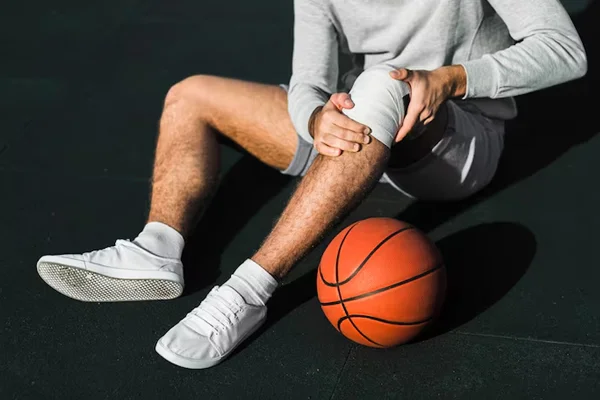
Sports injuries can affect athletes, fitness enthusiasts, and people who participate in regular physical activities. Injuries involving the knee, shoulder, ankle, wrist, and other joints may cause pain, swelling, restricted movement, and difficulty returning to sports or everyday activities. Timely diagnosis and appropriate treatment can help reduce complications and support recovery.
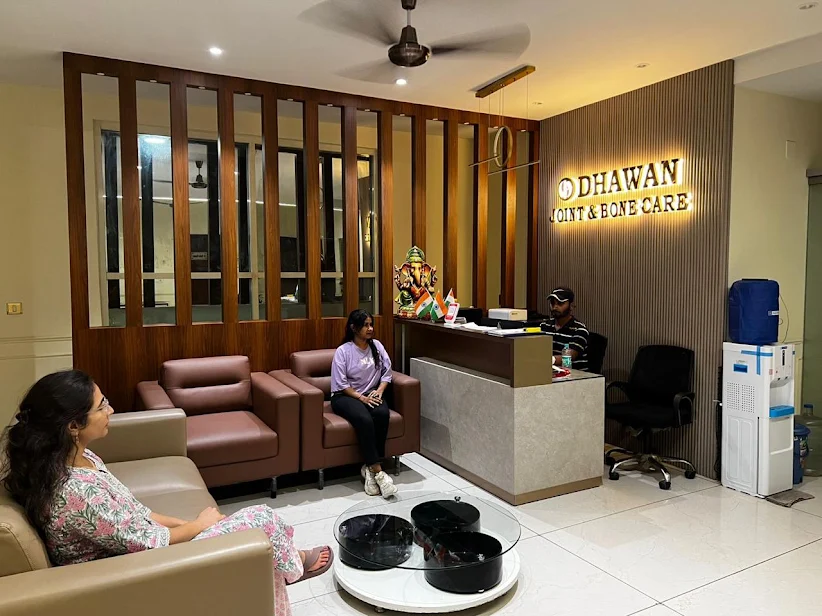
At Dhawan Joint & Bone Care, Dr. Tushar Dhawan provides orthopaedic evaluation and treatment for a range of sports-related injuries. With expertise in arthroscopy, joint care, trauma management, and orthopaedic surgery, he focuses on identifying the cause of the injury and recommending an appropriate treatment plan based on the patient's condition, activity level, and recovery goals.
If you are looking for Sports Injury Treatment in Noida, professional assessment can help determine whether your injury requires conservative management, rehabilitation, or surgical intervention.
A sports injury is damage to a bone, muscle, ligament, tendon, cartilage, or joint that occurs during sports, exercise, or physical activity. These injuries may develop suddenly because of a fall, collision, twisting movement, or direct impact. They can also develop gradually due to repetitive movements, excessive training, or inadequate recovery.
Sports injuries can range from mild muscle strains to more complex ligament tears and fractures. Early evaluation helps identify the severity of the injury and supports appropriate treatment and rehabilitation.
The anterior cruciate ligament (ACL) helps stabilize the knee during movements such as running, jumping, and changing direction. ACL injuries commonly occur during sudden stops, twisting movements, or awkward landings. Depending on the severity, treatment may involve rehabilitation, activity modification, or surgical reconstruction.
The meniscus is cartilage in the knee that helps absorb shock and distribute weight. Twisting the knee during sports can cause a meniscus tear, leading to pain, swelling, stiffness, or difficulty bending the knee. Treatment depends on the tear's location, size, and associated symptoms.
Sports involving throwing, lifting, swimming, or overhead movements may cause shoulder injuries. Common conditions include rotator cuff tears, shoulder instability, tendon irritation, and dislocations. Assessment helps determine whether physiotherapy, medication, activity modification, or surgery may be appropriate.
An ankle sprain occurs when the ligaments supporting the ankle stretch or tear, often following a sudden twist or awkward landing. Symptoms may include pain, bruising, swelling, and difficulty bearing weight. Severe injuries require medical evaluation to rule out fractures or significant ligament damage.
Sudden acceleration, excessive stretching, or repetitive activity can strain muscles and tendons. These injuries may affect the hamstrings, calf muscles, quadriceps, or other areas. Treatment may include relative rest, guided rehabilitation, and a gradual return to physical activity.
Falls, collisions, and direct impacts may result in fractures. Persistent pain, swelling, deformity, or inability to use or bear weight on the affected limb requires prompt assessment. Treatment depends on the fracture's location, severity, and stability.
Sports injuries may present with different symptoms depending on the affected tissue and the severity of the damage. Common warning signs include:
Pain during movement or physical activity
Swelling, bruising, or tenderness
Reduced joint flexibility or range of motion
Difficulty walking, running, jumping, or lifting
A popping sensation at the time of injury
Joint instability or a feeling that the joint may give way
Muscle weakness or stiffness
Difficulty returning to normal sports activities
Severe pain, visible deformity, inability to bear weight, or sudden major swelling should be assessed urgently.
Accurate diagnosis is an important part of effective Sports Injury Treatment in Noida. Dr. Tushar Dhawan may assess the injury through a detailed medical history, physical examination, and appropriate investigations.
Depending on the suspected injury, diagnostic procedures may include:
Physical examination: Evaluating pain, swelling, joint stability, strength, and movement.
X-rays: Helping identify fractures and certain bone-related abnormalities.
MRI scans: Assessing ligaments, menisci, tendons, cartilage, and other soft tissues when indicated.
Additional investigations: Recommended when necessary based on the clinical findings.
The diagnostic approach depends on the type of injury, symptoms, and examination results.
Treatment is tailored to the type and severity of the injury, the patient's health, and their activity goals.
Many mild and moderate sports injuries can be managed without surgery. Depending on the condition, treatment may include activity modification, short-term protection of the injured area, appropriate pain management, and a structured rehabilitation programme.
Rehabilitation can help improve flexibility, strength, balance, coordination, and joint stability. A supervised programme may also help patients regain movement and prepare for a safe return to sports. Exercises should progress according to the injury and the patient's recovery.
Arthroscopy is a minimally invasive surgical technique that uses a small camera and specialized instruments to examine and treat certain joint problems. It may be recommended for selected conditions, including some meniscus tears, ligament injuries, and shoulder problems, when non-surgical treatment is unsuitable or unsuccessful.
Significant ligament injuries, particularly certain ACL tears, may require reconstructive surgery depending on knee instability, activity demands, associated injuries, and individual circumstances. The decision is made after clinical assessment and discussion of the available options.
Sports-related fractures and serious injuries may require immobilization, reduction, or surgery. Treatment depends on the type and position of the fracture, whether the bone is displaced, and the stability of the injury.
Seeking timely care can help identify serious injuries and establish an appropriate recovery plan. Potential benefits include:
Early identification of ligament, tendon, cartilage, or bone damage
Appropriate treatment based on injury severity
Better management of pain and swelling
Support for restoring strength and joint mobility
Reduced risk of returning to activity before adequate recovery
A structured approach to rehabilitation and sports participation
Recovery time varies according to the injury, treatment method, overall health, and rehabilitation progress.
Dr. Tushar Dhawan is an orthopaedic surgeon associated with Dhawan Joint & Bone Care and experienced in joint care, arthroscopy, sports injury management, and trauma treatment.
Patients seeking Sports Injury Treatment in Noida can benefit from an individualized assessment focused on the affected joint, injury severity, daily activity requirements, and recovery goals.
The treatment approach may include:
Evaluation of sports-related joint and soft-tissue injuries
Assessment of knee and shoulder ligament problems
Guidance on conservative treatment and rehabilitation
Arthroscopic treatment for selected injuries when indicated
Management of associated fractures and trauma
Advice on a gradual and appropriate return to activity
The recommended treatment depends on the clinical assessment and the patient's individual needs.
You should seek an orthopaedic evaluation if pain persists after a sports injury, swelling does not improve, joint movement becomes restricted, or you experience repeated episodes of instability. An assessment is also important if you cannot return to your usual activity or suspect a ligament tear or fracture.
For severe pain, visible deformity, numbness, or an inability to bear weight, seek urgent medical attention rather than continuing sports or exercise.
Sports injuries can interfere with fitness, performance, and everyday mobility. Identifying the injury and following an appropriate treatment and rehabilitation plan can help support recovery.
For Sports Injury Treatment in Noida, consult Dr. Tushar Dhawan at Dhawan Joint & Bone Care for an orthopaedic evaluation and guidance on suitable treatment options.
1. Who provides sports injury treatment in Noida?
Dr. Tushar Dhawan at Dhawan Joint & Bone Care provides orthopaedic evaluation and treatment for sports-related injuries, including selected ligament, meniscus, shoulder, and joint conditions.
Common sports injuries include ACL tears, meniscus injuries, ankle sprains, muscle strains, tendon injuries, shoulder injuries, and fractures.
Yes. Many sports injuries can improve with activity modification, appropriate medical care, and physiotherapy. Surgery may be considered for specific injuries depending on their severity, joint stability, and the patient's activity requirements.
Arthroscopic surgery may be recommended for selected joint injuries, such as certain meniscus tears, ligament problems, and shoulder conditions, when clinical findings indicate that surgery may be beneficial.
Recovery time varies. Mild sprains and strains may improve over a few weeks, while major ligament injuries, fractures, or injuries requiring surgery may need several months of rehabilitation.
Return to sports depends on pain, swelling, strength, joint stability, movement, and sport-specific function. A gradual return guided by an appropriate healthcare professional can help reduce the risk of reinjury.
Yes. Persistent pain, swelling, reduced movement, joint instability, or difficulty bearing weight should be assessed by a healthcare professional to identify the cause and determine suitable treatment.


