Spine and disc problems can cause persistent back pain, neck pain, stiffness, numbness, tingling, and difficulty performing everyday activities. These conditions may develop due to age-related changes, poor posture, injuries, repetitive strain, or pressure on the nerves surrounding the spine. Early diagnosis and appropriate treatment can help manage symptoms, improve mobility, and support long-term spinal health.
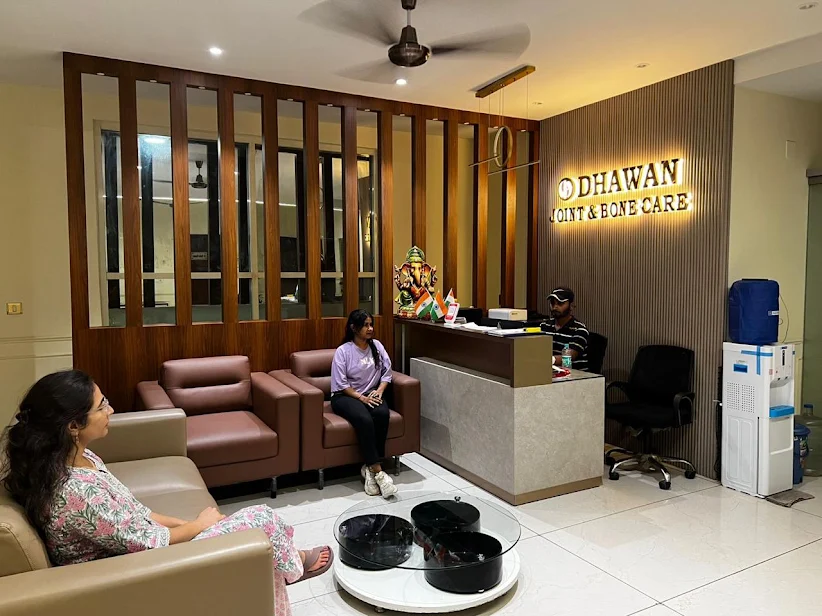
At Dhawan Joint & Bone Care, Noida, Dr. Tushar Dhawan provides orthopaedic evaluation for spine-related symptoms and guidance on suitable treatment options. The treatment plan depends on the underlying condition, severity of symptoms, physical examination, and diagnostic findings. Depending on the patient's needs, management may include medication under medical supervision, activity modification, physiotherapy, rehabilitation, or referral for specialist spine care when required.
If you are looking for Disc Problems and Spine Treatment in Noida, a professional evaluation can help identify the cause of your symptoms and determine the most appropriate next steps.
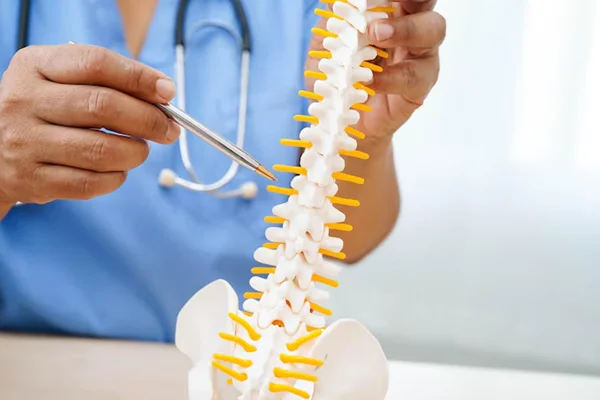
The spine consists of vertebrae separated by intervertebral discs. These discs act as cushions, absorb shock, and allow the spine to move flexibly. Each disc has a soft inner portion surrounded by a tougher outer layer.
Disc problems can occur when a disc loses hydration, bulges outward, develops a tear, or herniates. In some cases, the affected disc may irritate or compress nearby nerves, causing pain that travels into the arms or legs.
The symptoms and treatment requirements vary depending on the location of the affected disc, the degree of nerve involvement, and the patient's overall health.
A herniated disc occurs when the inner material of an intervertebral disc pushes through a weakened area of its outer layer. It may irritate nearby nerves and cause neck pain, back pain, tingling, numbness, or radiating pain into an arm or leg.
Treatment depends on symptom severity and nerve involvement. Many cases improve with non-surgical care, while selected cases may require further specialist assessment.
A bulging disc occurs when a disc extends beyond its usual boundary. It may be associated with age-related changes and does not always cause symptoms. When a bulging disc affects nearby nerves, it can contribute to discomfort, stiffness, or radiating pain.
A clinical assessment helps determine whether the disc finding is responsible for the symptoms and whether treatment is necessary.
Sciatica refers to pain associated with irritation or compression of the sciatic nerve or its nerve roots. It commonly causes pain that travels from the lower back through the buttock and down one leg. Numbness, tingling, or weakness may also occur.
A herniated disc is one possible cause of sciatica, although other conditions can produce similar symptoms. Treatment focuses on identifying the underlying cause and improving function.
Cervical disc problems affect the discs in the neck. Symptoms may include neck pain, stiffness, shoulder discomfort, or pain and tingling that extend into the arm. Nerve compression can sometimes lead to weakness or reduced coordination.
Persistent symptoms, especially those accompanied by weakness or changes in hand function, should be assessed by a medical professional.
Lumbar disc problems affect the lower back and may cause pain, stiffness, or discomfort that radiates into the buttocks or legs. Symptoms may worsen with certain movements, prolonged sitting, or lifting.
Treatment depends on the severity of the condition and whether nerve compression is present. Appropriate activity modification and guided rehabilitation may help many patients improve.
Degenerative disc disease describes changes in the spinal discs that can occur as people age. Discs may lose hydration and flexibility, sometimes contributing to pain and reduced movement. However, disc degeneration on an imaging scan does not always mean that it is the cause of pain.
Treatment is guided by symptoms, examination findings, functional limitations, and the overall condition of the spine.
Spinal stenosis occurs when the spaces within the spine narrow and may place pressure on the spinal cord or nerves. Symptoms can include back or neck pain, numbness, weakness, or discomfort in the legs while standing or walking.
The appropriate treatment depends on the location and severity of narrowing and whether neurological symptoms are present.
Symptoms vary according to the affected spinal region and the extent of nerve involvement. Common symptoms include:
Persistent neck or lower back pain
Pain spreading into the shoulders, arms, buttocks, or legs
Tingling or numbness in the limbs
Muscle weakness
Stiffness and reduced spinal flexibility
Discomfort after prolonged sitting or standing
Difficulty bending, lifting, or walking comfortably
Pain that worsens with certain movements
Not every case of back or neck pain is caused by a disc problem. An appropriate assessment can help identify the underlying cause.
Disc and spine problems can develop for several reasons, including:
Age-related changes: Spinal discs may lose water content and flexibility over time.
Poor posture: Prolonged unsupported sitting or repeated awkward positions may contribute to discomfort.
Heavy lifting: Incorrect lifting techniques or sudden loading may aggravate spinal structures.
Injury or trauma: Falls, accidents, and sports injuries may affect the spine or discs.
Repetitive strain: Repeated movements can place stress on the back and neck.
Reduced physical activity: Limited movement may contribute to reduced strength and flexibility.
Excess body weight: Additional mechanical loading may increase stress on the spine.
The presence of a risk factor does not necessarily mean that a person will develop a disc condition.
Accurate diagnosis is an important part of Disc Problems and Spine Treatment in Noida. The evaluation may include a medical history, physical examination, assessment of movement and muscle strength, and neurological examination when appropriate.
Depending on the symptoms and clinical findings, investigations may include:
X-ray: May help assess bone alignment, fractures, and certain degenerative changes.
MRI: Can provide detailed images of spinal discs, nerves, and other soft tissues.
CT scan: May be useful for evaluating specific bony abnormalities or injuries.
Additional tests: May be recommended when necessary to investigate particular symptoms or exclude other conditions.
Imaging is not always required for uncomplicated back pain. The decision depends on the clinical assessment and the presence of concerning symptoms.
Treatment is individualized according to the diagnosis, symptom severity, daily activities, and overall health. Many disc problems can be managed without surgery.
Conservative treatment may be recommended for patients without serious neurological symptoms. It may include appropriate pain management, modification of activities that aggravate symptoms, and advice on maintaining safe levels of movement.
Medication should be taken under the guidance of a qualified healthcare professional, particularly when other medical conditions or medicines are involved.
A structured physiotherapy programme may help improve spinal mobility, muscle strength, posture, and functional movement. Exercises are selected according to the patient's condition and should be adjusted if symptoms worsen.
Rehabilitation may also focus on strengthening the muscles that support the spine and developing safer movement techniques for everyday activities.
Practical changes may help reduce strain on the neck and back. These may include adjusting workstation ergonomics, taking regular movement breaks, using appropriate lifting techniques, and maintaining physical activity within comfortable limits.
Long periods of bed rest are generally not recommended for routine lower back pain unless a healthcare professional advises otherwise.
Patients with persistent pain, significant nerve symptoms, or limited improvement with initial treatment may require evaluation by a spine specialist. Further treatment options depend on the underlying diagnosis and the presence of nerve compression or spinal instability.
Surgery is not required for most disc problems. It may be considered in selected cases when symptoms remain severe despite appropriate non-surgical treatment, or when significant nerve compression requires intervention.
The type of procedure, potential benefits, risks, and recovery expectations should be discussed with the treating spine specialist. Dr. Tushar Dhawan can provide an orthopaedic assessment and guide patients regarding appropriate specialist evaluation where required.
Seeking timely medical advice can help clarify the cause of spinal symptoms and guide appropriate care. Potential benefits include:
Identifying the source of neck or back pain
Recognizing signs of nerve irritation or compression
Selecting suitable non-surgical treatment where appropriate
Improving movement and everyday function
Developing a personalized rehabilitation plan
Identifying conditions that may require urgent or specialist care
Recovery varies depending on the diagnosis, duration of symptoms, overall health, and response to treatment.
Dr. Tushar Dhawan is an orthopaedic surgeon associated with Dhawan Joint & Bone Care. His orthopaedic practice includes joint care, arthroscopy, trauma management, and the evaluation of musculoskeletal conditions.
Patients seeking Disc Problems and Spine Treatment in Noida can receive an orthopaedic assessment to help understand their symptoms and determine suitable next steps.
The care approach focuses on:
Evaluation of neck and back pain
Assessment of movement-related symptoms
Identification of possible nerve-related warning signs
Guidance on appropriate non-surgical management
Advice on rehabilitation and activity modification
Referral for specialist spine care when clinically indicated
The recommended treatment depends on individual clinical findings and should be based on an accurate diagnosis.
Consult a healthcare professional if back or neck pain persists, radiating pain interferes with daily activities, numbness develops, or symptoms repeatedly return.
Seek emergency medical attention immediately if back pain is accompanied by new difficulty passing urine or loss of bladder or bowel control, numbness around the groin or saddle area, or rapidly worsening leg weakness. These symptoms may indicate serious nerve compression and require urgent assessment.
Disc problems and spinal conditions can affect comfort, mobility, work, and daily life. Early assessment can help identify the underlying cause and determine whether conservative care, rehabilitation, or specialist treatment is appropriate.
For Disc Problems and Spine Treatment in Noida, contact Dhawan Joint & Bone Care to arrange an orthopaedic consultation with Dr. Tushar Dhawan.
You can consult Dr. Tushar Dhawan at Dhawan Joint & Bone Care for an orthopaedic assessment of neck pain, back pain, and suspected disc-related symptoms. Further specialist evaluation may be recommended depending on the diagnosis.
Common symptoms include neck or lower back pain, pain radiating into an arm or leg, tingling, numbness, and sometimes muscle weakness. Some slipped discs do not cause noticeable symptoms.
Yes. Many disc problems improve with non-surgical management, which may include appropriate medication, activity modification, and physiotherapy. Surgery may be considered for selected cases involving persistent severe symptoms or significant nerve compression.
Diagnosis generally begins with a medical history and physical examination. An MRI or another imaging test may be recommended when symptoms, examination findings, or warning signs indicate that further investigation is needed.
Recovery depends on the type of disc problem, symptom severity, and individual health. Some patients improve over several weeks, while persistent or complex conditions may require longer treatment and rehabilitation.
No. Back pain can result from muscle strain, joint problems, age-related changes, injuries, or other medical conditions. A clinical assessment helps determine the most likely cause.
Seek emergency care if you develop new bladder or bowel control problems, numbness around the groin or saddle area, or rapidly worsening leg weakness. These symptoms may indicate serious nerve compression.
Appropriately selected exercises may improve strength, mobility, and function. The programme should be tailored to the condition, and movements that significantly worsen symptoms should be avoided until assessed by a healthcare professional.


