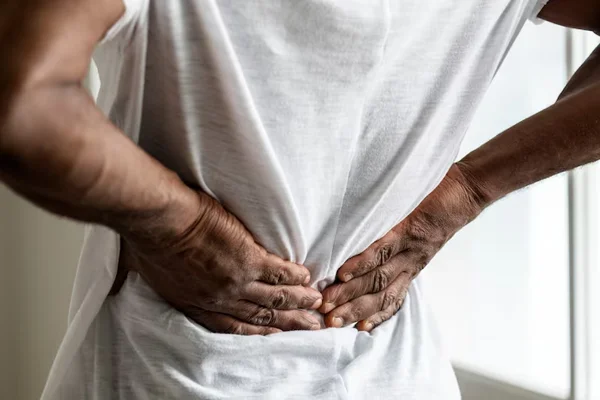
Lower back pain is a common condition that can affect people of all ages. It may develop due to muscle strain, poor posture, prolonged sitting, disc problems, spinal changes, injuries, or other underlying medical conditions. Depending on its cause, lower back pain may be mild and temporary or persistent enough to interfere with walking, working, sleeping, and everyday activities.
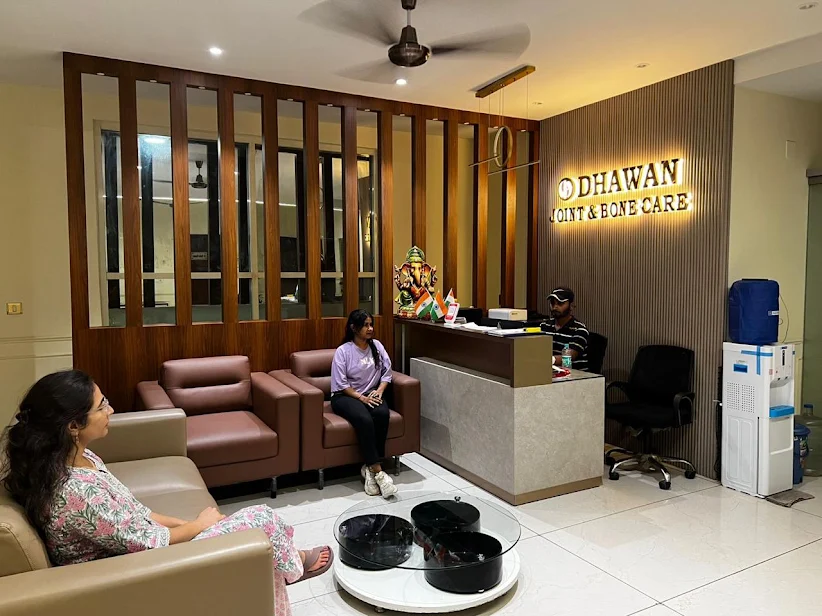
At Dhawan Joint & Bone Care, Noida, Dr. Tushar Dhawan provides orthopaedic evaluation for musculoskeletal pain and guidance on appropriate treatment options. The approach focuses on identifying potential causes, assessing the severity of symptoms, and recommending suitable management based on individual needs.
If you are searching for Lower Back Pain and Pain Care Management in Noida, timely medical assessment can help determine the cause of your discomfort and guide you towards appropriate care.
Lower back pain refers to discomfort affecting the lumbar region of the spine, which supports much of the body's weight and helps with bending, lifting, standing, and walking.
Pain may develop suddenly after lifting a heavy object or making an awkward movement. It can also develop gradually because of repetitive strain, reduced physical activity, age-related changes, or certain spinal conditions.
Lower back pain may be classified as:
Acute lower back pain: Pain that lasts for a relatively short period, often following strain or injury.
Subacute lower back pain: Pain that continues for several weeks.
Chronic lower back pain: Pain that persists for three months or longer.
The duration of pain alone does not identify its cause. An appropriate clinical assessment helps determine the next steps.
Overstretching muscles or ligaments can cause lower back pain. This may occur after lifting heavy objects, sudden movements, strenuous exercise, or prolonged activity. Symptoms may include stiffness, tenderness, and discomfort while bending or changing positions.
A herniated disc occurs when material from an intervertebral disc pushes through a weakened area and may irritate nearby nerves. It can cause lower back pain and, in some cases, pain that travels into the buttock or leg.
Sciatica refers to pain associated with irritation or compression of the sciatic nerve or its nerve roots. Symptoms often extend from the lower back into one buttock and down the leg. Tingling, numbness, or weakness may also occur.
Age-related changes in spinal discs and joints may contribute to stiffness, discomfort, and reduced mobility. However, degenerative changes seen on imaging do not always cause symptoms, so treatment should be based on the overall clinical assessment.
Long periods of sitting, unsupported workstation positions, and limited movement may contribute to back discomfort. Regular movement breaks, suitable workstation adjustments, and appropriate exercise can help reduce strain.
Spinal stenosis occurs when spaces within the spinal canal narrow and may put pressure on nerves. It can cause back pain, leg discomfort, numbness, or weakness, sometimes worsening during standing or walking.
Falls, sports injuries, road accidents, and other physical trauma can affect the muscles, ligaments, vertebrae, or discs. Significant pain following trauma requires prompt medical assessment to rule out serious injury.
Symptoms vary according to the underlying cause and severity. Common symptoms include:
Dull, aching, or sharp pain in the lower back
Stiffness after sitting or resting
Pain while bending, twisting, or lifting
Difficulty standing or walking comfortably
Pain spreading into the buttocks or legs
Tingling or numbness in the lower limbs
Muscle tightness or spasms
Reduced flexibility and difficulty performing daily activities
Persistent pain, progressive weakness, or symptoms that interfere with daily life should be assessed by a healthcare professional.
Accurate diagnosis is an important step in Lower Back Pain and Pain Care Management in Noida. The evaluation may involve a review of medical history, the onset and duration of pain, previous injuries, daily activities, and associated symptoms.
Depending on the clinical findings, the assessment may include:
Physical examination: Evaluating spinal movement, tenderness, posture, muscle strength, and functional limitations.
Neurological examination: Checking sensation, reflexes, and muscle strength when nerve involvement is suspected.
X-rays: Used when there is a clinical reason to assess bone alignment, fractures, or certain structural changes.
MRI scan: May be recommended when there are concerning neurological symptoms, suspected significant disc or nerve problems, or persistent symptoms requiring further investigation.
Imaging is not necessary for every episode of lower back pain. The decision depends on symptoms, examination findings, and relevant risk factors.
Treatment depends on the cause of pain, its severity, the patient's general health, and the effect on everyday activities. Many cases of lower back pain improve with non-surgical care.
Conservative management may include advice on maintaining comfortable movement, modifying activities that worsen symptoms, and using appropriate medication under medical supervision when needed.
The treatment plan should account for other medical conditions and existing medications. Patients should avoid prolonged self-medication without professional guidance.
Physiotherapy may help improve mobility, flexibility, strength, and functional movement. Depending on the cause of pain, a rehabilitation programme may include:
Gentle mobility exercises
Strengthening exercises for supporting muscles
Flexibility and stretching activities
Posture and movement guidance
Gradual return to routine activities
Exercises should be adapted to individual symptoms and stopped or modified if they cause significant worsening.
Complete bed rest is generally not recommended for routine lower back pain. Gentle movement and a gradual return to normal activities are often encouraged, provided there are no medical reasons to restrict movement.
Avoiding heavy lifting and movements that aggravate pain temporarily may help during recovery. Activity should be increased gradually according to comfort and professional advice.
When lower back pain is associated with a disc problem, treatment depends on the extent of nerve involvement and the severity of symptoms. Many cases can be managed conservatively, while persistent symptoms or significant neurological findings may require specialist assessment.
Patients with persistent pain, progressive symptoms, or suspected complex spinal conditions may require assessment by a spine specialist. Further treatment, including selected procedures or surgery, depends on the diagnosis and whether the expected benefits outweigh the risks.
Dr. Tushar Dhawan can provide an orthopaedic evaluation and help guide patients towards appropriate further assessment when required.
Seeking timely care can help identify the possible cause of pain and establish a suitable management plan. Potential benefits include:
Early assessment of persistent or worsening symptoms
Identification of possible disc or nerve-related conditions
Appropriate guidance on pain management
Improved mobility and everyday function
Support for safe exercise and rehabilitation
Recognition of symptoms that need urgent medical attention
Recovery varies from person to person. The duration depends on the underlying condition, symptom severity, general health, and response to treatment.
Dr. Tushar Dhawan is an orthopaedic surgeon associated with Dhawan Joint & Bone Care. His orthopaedic practice includes joint care, arthroscopy, trauma management, and evaluation of musculoskeletal conditions.
Patients seeking Lower Back Pain and Pain Care Management in Noida can receive an orthopaedic assessment to help identify possible causes and understand suitable treatment options.
The care approach focuses on:
Individual assessment of musculoskeletal pain
Evaluation of movement-related discomfort
Identification of symptoms that may indicate nerve involvement
Guidance on appropriate conservative management
Advice on activity modification and rehabilitation
Referral for specialist care when clinically indicated
The recommended approach is based on individual clinical findings rather than symptoms alone.
Consult a healthcare professional if your lower back pain persists, repeatedly returns, limits your daily activities, or is accompanied by pain travelling into the leg, numbness, or weakness.
Seek emergency medical attention immediately if you experience new difficulty passing urine, loss of bladder or bowel control, numbness around the groin or saddle area, or rapidly worsening leg weakness. These may be signs of serious nerve compression.
Severe back pain following a significant fall or accident, particularly with difficulty standing or walking, also requires urgent assessment.
Although not every episode of back pain can be prevented, certain habits may help reduce strain on the back:
Take regular movement breaks during prolonged sitting.
Use appropriate lifting techniques and avoid sudden twisting while carrying heavy objects.
Maintain regular physical activity within your capabilities.
Follow a suitable strengthening and flexibility programme.
Adjust your workstation to support comfortable posture.
Increase exercise intensity gradually.
Seek professional advice if pain persists or repeatedly returns.
Lower back pain can affect mobility, work, sleep, and quality of life. Identifying its cause is an important step towards appropriate treatment and recovery.
For Lower Back Pain and Pain Care Management in Noida, contact Dhawan Joint & Bone Care to arrange an orthopaedic consultation with Dr. Tushar Dhawan.
You can consult Dr. Tushar Dhawan at Dhawan Joint & Bone Care for an orthopaedic assessment of lower back pain and guidance on appropriate treatment options. Further specialist evaluation may be recommended depending on the suspected cause.
Common causes include muscle strain, ligament sprains, disc problems, sciatica, age-related spinal changes, and injuries. A clinical assessment helps determine the likely cause and suitable management.
Yes. Many cases improve with conservative treatment, appropriate activity modification, physiotherapy, and medical guidance. Surgery is considered only in selected cases when the underlying condition and clinical findings warrant it.
Seek medical advice if pain persists, repeatedly returns, affects daily activities, or is accompanied by leg pain, numbness, or weakness. Severe symptoms after trauma require prompt assessment.
Yes. A herniated or slipped disc can cause lower back pain and may irritate nearby nerves, sometimes causing pain, tingling, numbness, or weakness in a leg. However, not all disc problems cause symptoms.
Physiotherapy may help improve flexibility, strength, mobility, and everyday function. Exercises should be selected according to the underlying condition and the patient's symptoms.
Many episodes of uncomplicated lower back pain improve over a few weeks. Recovery may take longer when pain is associated with disc problems, nerve compression, injury, or other underlying conditions.
New bladder or bowel control problems, numbness around the groin or saddle area, or rapidly worsening leg weakness require emergency medical assessment because they may indicate serious nerve compression.


