Healthy bones are essential for maintaining strength, mobility, balance, and independence. However, bone density can decrease with age and other risk factors, making bones weaker and more susceptible to fractures. Osteoporosis is a condition in which bones become less dense and more fragile, often progressing without noticeable symptoms until a fracture occurs.
At Dhawan Joint & Bone Care, Noida, Dr. Tushar Dhawan provides orthopaedic evaluation and guidance for bone health concerns, fracture risk, and musculoskeletal conditions. Appropriate assessment can help identify individuals who may need bone density testing, medical treatment, lifestyle changes, or further specialist care.
If you are looking for Osteoporosis and Bone Health Management in Noida, timely evaluation can help you understand your bone health and take suitable steps to protect bone strength and reduce fracture risk.
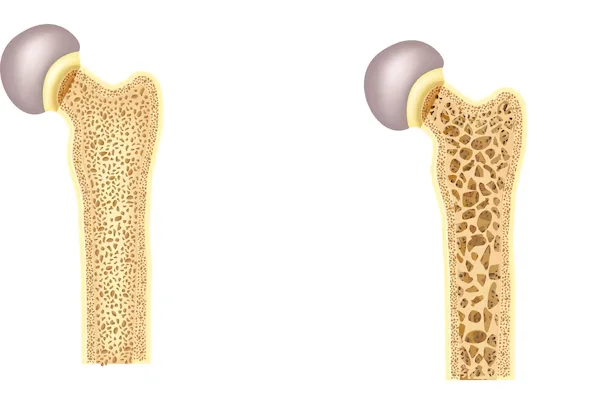
Osteoporosis is a bone disease characterized by reduced bone strength and an increased risk of fractures. Bone is living tissue that continuously breaks down and rebuilds. When bone loss occurs faster than new bone formation, bones can become weaker over time.
Osteoporosis commonly affects the hip, spine, and wrist. Fractures may occur after a minor fall or, in some cases, during everyday activities. Because the condition often causes no early symptoms, appropriate screening and assessment are important for people at increased risk.
Early diagnosis and a personalized management plan can help reduce fracture risk and support long-term mobility.
Several factors can increase the likelihood of developing osteoporosis or reduced bone density.
Bone density may decrease with age as the balance between bone breakdown and formation changes. Older adults may therefore have a higher risk of osteoporosis and fractures.
Reduced oestrogen levels after menopause can accelerate bone loss. Low testosterone levels in men may also contribute to reduced bone density.
A family history of osteoporosis or hip fractures may increase the likelihood of developing the condition. Family history is one factor considered during an assessment of bone health.
Inadequate calcium intake and vitamin D deficiency can affect bone health. A balanced diet and appropriate assessment of nutritional needs are important components of bone health management.
Bones respond to regular weight-bearing activity and muscle use. Low levels of physical activity may contribute to reduced bone strength and muscle weakness, increasing the risk of falls.
Some endocrine, gastrointestinal, and inflammatory conditions can affect bone health. Long-term use of certain medications, including glucocorticoids, may also increase osteoporosis risk. Medication-related risks should be reviewed with a healthcare professional.
Osteoporosis is often called a silent condition because it may not cause symptoms until a fracture occurs. However, possible warning signs and complications include:
Fractures following a minor fall or relatively small impact
Persistent back pain, particularly after a vertebral fracture
Loss of height over time
Changes in posture, including a stooped upper back
Reduced mobility following a fracture
Repeated fractures involving the wrist, hip, or spine
These symptoms can have several causes. Medical evaluation is important to determine whether osteoporosis or another condition is responsible.
Accurate assessment is an important part of Osteoporosis and Bone Health Management in Noida. Evaluation may include a review of medical history, previous fractures, family history, lifestyle, medications, and other risk factors.
Depending on individual circumstances, investigations may include:
A dual-energy X-ray absorptiometry (DEXA or DXA) scan measures bone mineral density, commonly at the hip and spine. It is an important test used to diagnose osteoporosis and assess fracture risk in appropriate patients.
Blood tests may be recommended to evaluate vitamin D levels, calcium balance, kidney function, or other possible causes of reduced bone density. The specific tests depend on the clinical assessment.
A healthcare professional may assess age, previous fractures, bone density, medical history, and other risk factors to estimate the likelihood of future fractures and guide treatment decisions.
X-rays or other imaging tests may be recommended when a fracture is suspected or when there are symptoms suggesting a vertebral fracture or another bone condition.
Not everyone requires the same tests. Screening and investigations should be selected according to age, risk factors, symptoms, and medical history.
Treatment aims to strengthen bone health, reduce fracture risk, preserve mobility, and help patients remain active. The appropriate plan depends on bone density, fracture history, age, underlying conditions, and overall health.
For people with osteoporosis or a high risk of fracture, a healthcare professional may recommend medication to slow bone loss or improve bone strength. The choice of medication depends on individual risk factors, medical history, and treatment suitability.
Patients should follow the prescribed treatment plan and attend recommended follow-up appointments. Medication should not be started, stopped, or changed without appropriate medical advice.
Calcium is important for maintaining bone structure, while vitamin D helps the body absorb calcium. Adequate intake through a balanced diet is an important part of bone health.
Supplements may be recommended when dietary intake is insufficient or a deficiency is identified. The appropriate dose should be determined with medical guidance, as excessive supplementation may be harmful for some individuals.
Appropriate physical activity helps support bone health, muscle strength, balance, and mobility. Depending on the individual's condition, a healthcare professional may recommend walking, resistance exercises, or other suitable activities.
People with severe osteoporosis or previous fragility fractures may need a modified exercise plan. High-impact activities or movements involving forceful spinal bending should be discussed with a qualified professional when fracture risk is high.
Preventing falls is an important part of osteoporosis management, particularly in older adults. Practical measures may include:
Keeping walkways clear of clutter
Improving lighting around the home
Using handrails on stairs and in bathrooms
Wearing stable, well-fitting footwear
Reviewing medicines that may cause dizziness with a healthcare professional
Addressing balance, vision, and mobility problems
Reducing fall risk can help lower the chance of fractures.
Osteoporosis can increase the risk of fractures involving the wrist, hip, and spine. Treatment depends on the fracture location, severity, stability, and the patient's overall health.
Some fractures can be managed with immobilization and rehabilitation, while others may require surgical treatment. An orthopaedic assessment helps determine appropriate care and recovery needs.
A bone-friendly lifestyle includes adequate nutrition, regular appropriate physical activity, avoiding smoking, and limiting alcohol consumption. Maintaining muscle strength and balance is also important for reducing falls and supporting independence.
Lifestyle changes complement medical treatment but may not be sufficient on their own for people with established osteoporosis or a high fracture risk.
Early identification and appropriate management can help patients take proactive steps to protect bone health. Potential benefits include:
Identifying reduced bone density before a major fracture
Assessing individual fracture risk
Supporting appropriate treatment decisions
Improving muscle strength, balance, and mobility
Reducing preventable falls
Supporting recovery following osteoporotic fractures
Promoting long-term independence and quality of life
The results of treatment vary according to individual health, fracture risk, treatment adherence, and other medical factors.
Dr. Tushar Dhawan is an orthopaedic surgeon associated with Dhawan Joint & Bone Care. His orthopaedic practice includes joint care, trauma management, fracture treatment, and musculoskeletal assessment.
Patients seeking Osteoporosis and Bone Health Management in Noida can receive an orthopaedic evaluation to discuss bone-related concerns, fracture history, and appropriate next steps.
The care approach focuses on:
Assessment of bone and musculoskeletal health
Evaluation of fractures and related complications
Guidance on appropriate investigations
Individualized treatment recommendations
Advice on mobility, rehabilitation, and fall prevention
Further specialist referral when clinically indicated
The recommended management plan depends on individual clinical findings and may involve coordination with other healthcare professionals when necessary.
Bone health assessment may be appropriate for postmenopausal women, older adults, people with previous fragility fractures, individuals with a family history of osteoporosis, and those taking medications that may affect bone strength.
People with medical conditions associated with bone loss may also benefit from an individualized assessment. A healthcare professional can help determine whether bone density testing or other investigations are appropriate.
Osteoporosis can weaken bones without causing obvious symptoms, but appropriate screening and treatment can help reduce fracture risk and preserve mobility.
For Osteoporosis and Bone Health Management in Noida, contact Dhawan Joint & Bone Care to arrange an orthopaedic consultation with Dr. Tushar Dhawan and discuss suitable assessment and management options.
You can consult Dr. Tushar Dhawan at Dhawan Joint & Bone Care for an orthopaedic assessment of bone health concerns and guidance on appropriate investigations or treatment. Further specialist evaluation may be recommended when necessary.
Osteoporosis often causes no early symptoms. Some people discover they have the condition after a fracture. Loss of height, a stooped posture, or persistent back pain following a possible vertebral fracture should be medically assessed.
Osteoporosis is commonly diagnosed using a DEXA or DXA bone mineral density scan. Medical history, fracture risk assessment, blood tests, and other investigations may also be used depending on the patient's circumstances.
Yes. Osteoporosis can be managed with appropriate medication when indicated, adequate calcium and vitamin D, suitable exercise, and fall-prevention measures. Treatment aims to reduce fracture risk and maintain bone strength.
Risk is higher in older adults, postmenopausal women, people with previous fragility fractures, individuals with a family history of osteoporosis, and those with certain medical conditions or long-term medication use that affects bone health.
Calcium and vitamin D support healthy bones. Adequate intake is important, but supplements may not be sufficient to treat established osteoporosis. A healthcare professional can advise whether supplementation or additional treatment is needed.
Appropriate weight-bearing activity, strength training, and balance exercises can support bone and muscle health and may help reduce falls. Exercise should be tailored to the individual's bone density, medical history, and fracture risk.
Consider an assessment if you have a fracture after a minor fall, unexplained height loss, persistent back pain, or risk factors for bone loss. Sudden severe back pain after minor trauma should be assessed promptly.


