
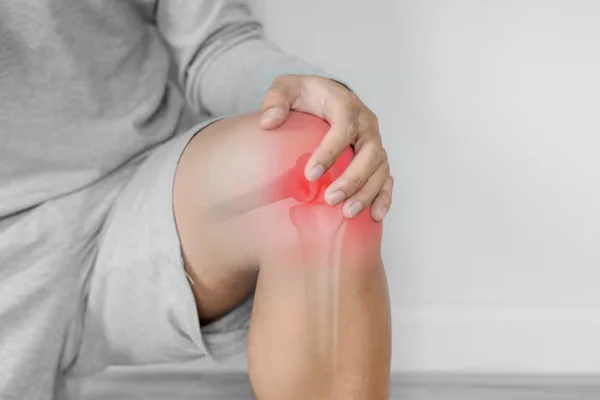
Knee pain and arthritis can affect mobility, physical activity, and the ability to perform everyday tasks such as walking, climbing stairs, standing, or sitting comfortably. These problems may develop due to age-related joint changes, cartilage damage, previous injuries, inflammation, or excessive stress on the knee joint. Early assessment and appropriate treatment can help manage pain, improve movement, and support long-term joint health.
At Dhawan Joint & Bone Care, Noida, Dr. Tushar Dhawan provides orthopaedic evaluation and treatment guidance for knee pain, arthritis, and related joint conditions. Treatment recommendations are based on the underlying cause, severity of symptoms, medical history, and functional requirements. Depending on the condition, management may include medication under medical supervision, physiotherapy, lifestyle modification, joint injections when appropriate, or surgical options for selected patients.
If you are looking for Knee Pain and Arthritis Management in Noida, an orthopaedic consultation can help identify the cause of your symptoms and determine a suitable treatment plan.
The knee is a complex joint involving bones, cartilage, ligaments, tendons, and other supporting structures. It allows the leg to bend, straighten, and support body weight during movement.
Knee pain can result from injuries, muscle weakness, inflammation, cartilage damage, or degenerative changes. Arthritis is one possible cause and refers to conditions that affect the joints, leading to pain, stiffness, swelling, and reduced mobility.
The most common type of knee arthritis is osteoarthritis, which involves changes in the cartilage and other structures within the joint. Symptoms can progress gradually and may become more noticeable during walking, standing, or climbing stairs.
Osteoarthritis develops when the structures within the knee joint undergo progressive changes, including deterioration of the articular cartilage. Symptoms may include pain during movement, stiffness after rest, swelling, and reduced flexibility.
Treatment focuses on reducing symptoms, maintaining mobility, and improving quality of life. Options depend on the severity of arthritis and the patient's response to conservative care.
Rheumatoid arthritis is an autoimmune inflammatory condition that can affect the knee and other joints. It may cause swelling, pain, warmth, and prolonged morning stiffness.
Management often requires coordinated care with a rheumatologist because controlling the underlying inflammatory disease is important for protecting joint function.
Post-traumatic arthritis can develop after an injury to the knee, including certain fractures, ligament injuries, or damage to the joint surface. Symptoms may appear months or years after the original injury.
Treatment depends on the extent of joint damage, pain severity, and the effect on daily activities.
The menisci are cartilage structures that help distribute load and absorb shock within the knee. A meniscus tear can occur during twisting movements, sports, or age-related degeneration.
Symptoms may include pain, swelling, catching, or difficulty bending the knee. Treatment may involve rehabilitation or, in selected cases, arthroscopic surgery.
Injuries to the ACL, PCL, or other knee ligaments may cause pain, swelling, and instability. These injuries can occur during sports, falls, or sudden changes in direction.
The appropriate treatment depends on the affected ligament, injury severity, associated damage, and the patient's activity requirements.
Knee symptoms can vary according to the underlying condition. Common signs include:
Pain while walking, standing, or climbing stairs
Stiffness after sitting or resting
Swelling around the knee joint
Reduced ability to bend or straighten the knee
A grinding or clicking sensation during movement
Tenderness around the joint
Difficulty standing up from a chair
Knee instability or a feeling that the joint may give way
Reduced tolerance for exercise and everyday activities
Persistent pain, significant swelling, or difficulty bearing weight should be assessed by a healthcare professional.
Several factors can contribute to knee pain and arthritis, including:
Age-related joint changes: Cartilage and other joint structures can change over time.
Previous knee injuries: Ligament tears, fractures, and meniscus injuries may increase the risk of future joint problems.
Excess body weight: Additional mechanical load can increase stress on the knee joint.
Muscle weakness: Reduced strength in the muscles supporting the knee may affect joint function.
Repetitive stress: Certain work activities and sports may place repeated demands on the knee.
Inflammatory conditions: Some medical conditions can cause joint inflammation and damage.
Family history: Genetic factors may contribute to susceptibility to osteoarthritis.
Identifying contributing factors helps guide treatment and practical lifestyle recommendations.
Accurate diagnosis is an important part of Knee Pain and Arthritis Management in Noida. The assessment may include a review of symptoms, medical history, previous injuries, physical activity, and the effect of pain on daily life.
The clinician may assess knee movement, swelling, tenderness, stability, muscle strength, and walking pattern. This can help identify possible joint, ligament, tendon, or meniscus problems.
X-rays may be used to assess joint space, bone alignment, bone spurs, fractures, and other structural changes. They are commonly used when knee osteoarthritis is suspected.
An MRI may be recommended when a meniscus tear, ligament injury, or another soft-tissue problem is suspected. It is not routinely required for every patient with knee osteoarthritis.
Blood tests or joint fluid analysis may be considered if an inflammatory condition, infection, or another specific cause of joint symptoms is suspected.
The investigations required depend on the clinical findings and the suspected diagnosis.
Treatment is tailored to the type of knee condition, severity of symptoms, general health, and daily activity requirements. Many patients can begin with non-surgical management.
Initial treatment may include activity modification, appropriate pain-relieving medication under medical supervision, and advice on maintaining comfortable movement.
The choice of medication depends on factors such as age, kidney function, cardiovascular health, other medical conditions, and existing medicines.
Physiotherapy can help strengthen the muscles supporting the knee, improve flexibility, and maintain joint function. A suitable programme may include:
Quadriceps and hamstring strengthening
Gentle range-of-motion exercises
Low-impact aerobic activity
Balance and functional training
Gradual return to daily activities
Exercises should be adjusted according to pain levels, mobility, and the underlying diagnosis.
For patients who are overweight or living with obesity, weight management may reduce the mechanical load on the knee and improve symptoms. Low-impact activities such as walking on comfortable surfaces, cycling, or swimming may be suitable for some patients.
A balanced diet, appropriate exercise, and regular follow-up can support overall joint health.
Selected patients may be considered for joint injections depending on their diagnosis and treatment goals. Options may include corticosteroid injections for short-term symptom relief in appropriate cases.
Hyaluronic acid and platelet-rich plasma (PRP) injections are also used in some settings, but the evidence of benefit varies and clinical recommendations differ. These treatments should be discussed in terms of their potential benefits, limitations, risks, and alternatives.
Arthroscopy uses a small camera and specialized instruments to assess and treat selected problems inside the knee. It may be appropriate for certain meniscus tears, loose bodies, or specific mechanical conditions.
Arthroscopy is generally not recommended solely to treat uncomplicated knee osteoarthritis, because it does not reliably improve the underlying degenerative process.
Partial knee replacement may be considered when arthritis is confined to one part of the knee and the remaining joint structures are suitable. The procedure replaces the affected compartment while preserving more of the natural knee than a total knee replacement.
Suitability depends on the pattern of arthritis, ligament function, alignment, and other clinical factors.
Total knee replacement may be considered for advanced knee arthritis when pain and mobility limitations remain substantial despite appropriate non-surgical treatment.
The procedure replaces the damaged joint surfaces with artificial components. The decision depends on symptom severity, imaging findings, functional limitations, general health, and the patient's goals.
Rehabilitation is an important part of recovery following many knee treatments, including surgery. A structured programme can help improve strength, flexibility, balance, and walking ability.
The duration and intensity of rehabilitation depend on the procedure, the patient's progress, and individual recovery needs.
Timely evaluation can help identify the cause of knee pain and establish an appropriate treatment plan. Potential benefits include:
Earlier diagnosis of joint and soft-tissue conditions
Better management of pain and stiffness
Support for maintaining joint movement
Improved strength and walking ability
Guidance on appropriate activity and exercise
Identification of patients who may benefit from surgical evaluation
Support for long-term mobility and independence
Treatment outcomes vary according to the underlying condition, its severity, and the patient's response to treatment.
Dr. Tushar Dhawan is an orthopaedic surgeon associated with Dhawan Joint & Bone Care. His orthopaedic practice includes joint replacement, arthroscopy, sports injury management, and trauma care.
Patients seeking Knee Pain and Arthritis Management in Noida can consult for an orthopaedic assessment and guidance on suitable treatment options.
The care approach focuses on:
Evaluation of knee pain and joint stiffness
Assessment of arthritis and previous knee injuries
Guidance on conservative treatment and rehabilitation
Discussion of appropriate surgical options when indicated
Individualized recommendations based on mobility and daily needs
Follow-up guidance to support recovery
The recommended plan depends on the clinical assessment and the patient's individual circumstances.
Seek medical advice if knee pain persists, swelling repeatedly occurs, movement becomes restricted, or symptoms interfere with walking and everyday activities.
Prompt assessment is particularly important if the knee locks, repeatedly gives way, or becomes significantly swollen after an injury.
Seek urgent medical attention if you cannot bear weight after an injury, the knee appears deformed, or the joint becomes hot and red with fever. These symptoms may indicate a serious injury or infection.
Knee pain and arthritis can affect independence, exercise, and everyday comfort. Early assessment can help identify the cause of symptoms and determine whether medication, physiotherapy, injections, or surgery may be appropriate.
For Knee Pain and Arthritis Management in Noida, contact Dhawan Joint & Bone Care to arrange an orthopaedic consultation with Dr. Tushar Dhawan.
You can consult Dr. Tushar Dhawan at Dhawan Joint & Bone Care for an orthopaedic evaluation of knee pain, arthritis, and related joint conditions. The treatment plan depends on the diagnosis and severity of symptoms.
Common symptoms include knee pain, stiffness after rest, swelling, reduced movement, and difficulty walking or climbing stairs. Some patients also experience grinding sensations or reduced joint stability.
Yes. Many patients can manage symptoms through exercise, physiotherapy, activity modification, weight management when appropriate, and medication under medical supervision. Surgery may be considered when symptoms remain severe despite suitable conservative treatment.
Diagnosis generally involves a medical history, physical examination, and sometimes X-rays to assess joint changes. MRI scans or additional tests may be recommended when another condition is suspected.
Some injections may provide symptom relief for selected patients. Benefits vary according to the injection type and individual condition, and not all injections are recommended for routine use. Discuss the evidence, risks, and alternatives with your orthopaedic clinician.
Knee replacement may be considered when advanced arthritis causes substantial pain and functional limitations despite appropriate non-surgical treatment. The decision depends on symptoms, examination findings, imaging, general health, and patient preferences.
Appropriately selected exercise usually helps maintain muscle strength, mobility, and function. High-impact activities or exercises that significantly worsen symptoms may need to be modified. A tailored programme can help balance activity with joint comfort.
Seek urgent assessment if you cannot bear weight after an injury, the knee is deformed, or the joint becomes hot and red with fever. Severe swelling or sudden instability after an injury also warrants prompt evaluation.


