
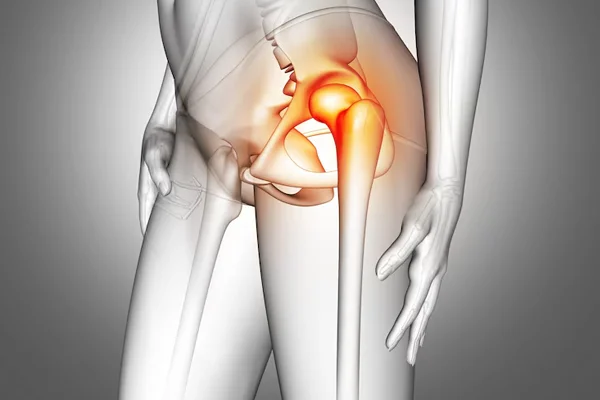
Hip pain, stiffness, and reduced mobility can significantly affect everyday activities, including walking, climbing stairs, sitting, and standing. When severe hip damage does not improve with conservative treatment, hip replacement surgery may be considered to relieve pain and improve joint function. Robotic-assisted hip replacement is an advanced surgical approach that uses specialised technology to help surgeons plan and perform the procedure.
At Dhawan Joint & Bone Care, Dr. Tushar Dhawan provides orthopaedic evaluation and treatment planning for patients experiencing hip joint problems. For individuals exploring Robotic Hip Replacement Surgery in Noida, a detailed assessment helps determine whether hip replacement is appropriate and whether robotic-assisted surgery may be suitable for their condition.
The treatment approach depends on the patient's diagnosis, bone structure, overall health, activity level, and individual needs.
Robotic hip replacement is a surgical procedure in which a damaged hip joint is replaced with artificial components using robotic-assisted technology. The system may help the surgeon plan implant positioning and assess the patient's anatomy during surgery, depending on the technology being used.
The hip is a ball-and-socket joint. The ball at the top of the thigh bone, called the femoral head, fits into the socket of the pelvis, known as the acetabulum. Damage to these structures can cause pain, stiffness, and difficulty with movement.
During hip replacement surgery, the damaged joint surfaces are replaced with artificial components designed to support smoother movement and improve function.
Robotic assistance supports the surgeon's planning and execution; it does not perform the operation independently. The surgeon remains responsible for clinical decisions and the surgical procedure.
Robotic-assisted hip replacement may be considered for patients with significant hip joint damage and persistent symptoms that interfere with daily life.
Common conditions that may lead to hip replacement evaluation include:
Osteoarthritis causes the cartilage covering the joint surfaces to wear down. This may result in pain, stiffness, inflammation, and restricted movement.
Avascular necrosis occurs when the blood supply to the femoral head is reduced, potentially causing bone damage and joint collapse. Hip replacement may be considered in advanced cases.
Inflammatory arthritis can damage the hip joint and lead to persistent pain, stiffness, and reduced mobility. Treatment depends on the extent of joint damage and the patient's overall health.
Certain injuries, fractures, or other conditions can cause extensive damage to the hip joint. Depending on the injury and its consequences, hip replacement may be an appropriate treatment option.
Patients with ongoing hip pain, difficulty walking, disturbed sleep, or reduced independence may benefit from an orthopaedic assessment to explore available treatment options.
Robotic assistance is not necessary for every hip replacement. The suitability of the approach depends on the individual case, the surgeon's assessment, and the technology available.
Hip conditions can develop gradually or follow an injury. Symptoms that may indicate significant joint damage include:
Persistent pain in the hip, groin, thigh, or buttock
Stiffness after sitting or resting
Difficulty walking for extended periods
Pain while climbing stairs or standing up
Reduced hip movement
Difficulty putting on shoes or socks
Limping or changes in walking pattern
Pain that interferes with sleep or daily activities
These symptoms do not automatically mean hip replacement is required. A clinical examination and appropriate investigations help identify the underlying cause and guide treatment.
Robotic-assisted hip replacement generally involves detailed preoperative planning and technology-assisted guidance during surgery. The exact process varies according to the robotic platform and surgical technique.
The surgeon reviews the patient's symptoms, medical history, physical examination findings, activity level, and previous treatments.
X-rays and, when required by the system or clinical circumstances, additional imaging are used to assess the hip joint and surrounding bone. Some robotic systems use a three-dimensional model to help plan component size and positioning.
The surgeon uses the available anatomical information to plan aspects of the procedure, which may include implant size, positioning, and alignment.
During surgery, the robotic system may provide visual guidance, measurements, or controlled assistance to help the surgeon follow the planned approach. The system's capabilities depend on the technology being used.
The damaged joint surfaces are prepared, and the artificial components are placed. The surgeon evaluates the reconstruction and joint function before completing the procedure.
Robotic-assisted hip replacement may offer advantages in surgical planning and execution for appropriately selected patients. Potential benefits depend on the system, surgical technique, patient anatomy, and clinical circumstances.
Technology-assisted planning can help the surgeon assess the patient's anatomy and determine appropriate implant positioning before surgery.
Certain robotic systems provide measurements and guidance that can help the surgeon follow the planned component position.
Depending on the system, the surgeon may be able to evaluate aspects of hip movement, leg length, or joint stability during the procedure.
Preoperative planning can help tailor surgical decisions to the patient's anatomy and specific joint condition.
The overall goal of hip replacement is to reduce pain caused by joint damage and improve mobility. Recovery depends on many factors, and robotic assistance does not guarantee better outcomes for every patient.
Both robotic-assisted and conventional hip replacement aim to replace damaged joint surfaces with artificial components and improve hip function.
| Feature | Robotic-Assisted Hip Replacement | Conventional Hip Replacement |
|---|---|---|
| Surgical planning | May use digital planning and system-specific measurements | Uses standard preoperative assessment and surgical planning |
| Intraoperative guidance | May provide robotic guidance or measurements | Relies on the surgeon's established instruments and techniques |
| Surgeon involvement | The surgeon performs and controls the operation | The surgeon performs and controls the operation |
| Suitability | Depends on patient anatomy, clinical needs, and available technology | Suitable for many patients requiring hip replacement |
| Recovery | Depends on multiple patient and surgical factors | Depends on multiple patient and surgical factors |
Neither approach is automatically the best choice for everyone. The surgeon can explain the potential advantages, limitations, risks, and costs of each option based on the patient's condition.
Recovery after hip replacement involves pain management, safe movement, wound care, follow-up appointments, and rehabilitation. The recovery plan is individualised according to the patient's health, surgical findings, and progress.
When clinically appropriate, patients are encouraged to begin supervised movement and walking with assistance. The timing depends on the procedure and the patient's condition.
Rehabilitation may include exercises to improve strength, balance, flexibility, and walking ability. Patients should follow the recommended exercise plan and avoid activities that have not yet been cleared by their treating team.
Keeping the surgical wound clean and attending follow-up appointments helps the clinical team monitor healing and identify complications.
Many patients gradually resume routine activities as recovery progresses. The pace varies, and driving, work, exercise, and other activities should be resumed according to medical advice.
Hip replacement is a major surgical procedure. As with any operation, it carries risks that should be discussed with the treating surgeon before making a decision.
Potential complications include:
Infection
Blood clots
Bleeding
Dislocation of the artificial joint
Differences in leg length
Nerve or blood vessel injury
Fracture around an implant
Implant wear or loosening over time
Persistent pain or stiffness
Risks associated with anaesthesia
Robotic assistance does not eliminate these risks. A patient's age, medical conditions, bone quality, and other factors may influence the risk profile and recovery.
Seek urgent medical attention after surgery for sudden shortness of breath, chest pain, significant calf swelling, fever with worsening wound symptoms, or sudden severe hip pain or inability to bear weight.
Dr. Tushar Dhawan has an orthopaedic background with experience in joint replacement, arthroplasty, arthroscopy, and trauma care.
The treatment recommendation is based on the patient's symptoms, examination findings, imaging, overall health, and functional goals.
Assessment considers pain, mobility, walking ability, and the impact of hip symptoms on everyday activities.
Patients can discuss whether hip replacement is appropriate and understand the potential role of robotic-assisted and conventional techniques.
Recovery planning considers safe mobilisation, physiotherapy, follow-up, and a gradual return to daily activities.
Patients receive guidance on the available treatment options, expected recovery considerations, and questions to discuss before surgery.
Consider an orthopaedic consultation if you experience persistent hip pain, increasing stiffness, difficulty walking, or limitations in everyday activities despite appropriate non-surgical treatment.
An assessment can help determine whether symptoms are caused by osteoarthritis, avascular necrosis, inflammatory arthritis, an injury, or another condition. Hip replacement may be considered when joint damage is advanced and other suitable treatments have not provided sufficient relief.
If hip pain is affecting your mobility and quality of life, an orthopaedic assessment can help you understand the available treatment options. Dr. Tushar Dhawan at Dhawan Joint & Bone Care provides evaluation and treatment planning for patients with hip joint conditions in Noida.
Discuss your symptoms, imaging findings, surgical options, and rehabilitation needs to determine the most appropriate next step for your condition.
Robotic hip replacement is a procedure in which the damaged hip joint is replaced with artificial components using technology that may assist with surgical planning, measurements, and guidance. The surgeon performs and controls the operation.
Patients with severe hip arthritis, avascular necrosis, or other significant hip joint damage may be considered for hip replacement. Whether a robotic-assisted approach is appropriate depends on the patient's anatomy, medical condition, and the surgeon's assessment.
Robotic assistance may offer additional planning and guidance capabilities, but it does not guarantee better results for every patient. Both techniques can be appropriate, and the decision should consider clinical needs, available technology, surgeon expertise, and patient preference.
Recovery varies depending on general health, the extent of joint damage, the surgical procedure, and rehabilitation progress. Patients often begin supervised movement early, but full recovery and return to preferred activities may take several weeks to months.
No. Robotic-assisted surgery does not eliminate risks such as infection, blood clots, dislocation, implant-related problems, or complications associated with anaesthesia. The treating surgeon should explain the individual risks and precautions.
Physiotherapy or a structured rehabilitation programme is commonly recommended to help restore strength, balance, walking ability, and joint function. The programme and timing are determined by the treating team.
Some patients may be considered for replacement of both hips, either during separate operations or, in selected circumstances, during one surgical episode. The decision depends on overall health, hip condition, surgical risks, and the treating surgeon's recommendation.
You can contact Dhawan Joint & Bone Care to arrange an orthopaedic consultation with Dr. Tushar Dhawan. The consultation can help assess your hip condition and discuss whether hip replacement and robotic assistance may be suitable.


