
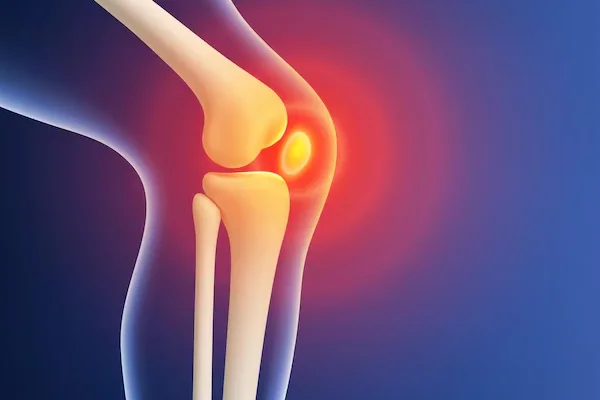
Knee pain, stiffness, and reduced mobility can make everyday activities such as walking, climbing stairs, standing, and sitting increasingly difficult. When advanced knee arthritis or severe joint damage does not improve with non-surgical treatments, total knee arthroplasty may be recommended to relieve pain and improve joint function.
At Dhawan Joint & Bone Care, Dr. Tushar Dhawan provides orthopaedic evaluation and treatment planning for patients experiencing chronic knee pain and advanced knee joint problems. If you are looking for Total Knee Arthroplasty in Noida, a detailed assessment can help determine whether knee replacement surgery is appropriate for your condition.
Total knee arthroplasty is a well-established procedure in which damaged joint surfaces are replaced with artificial components. The goal is to reduce pain, improve mobility, and help patients return to daily activities with greater comfort.
Total knee arthroplasty, commonly known as total knee replacement surgery, is a procedure used to treat severe damage to the knee joint. It is most often recommended for advanced osteoarthritis, although other conditions may also cause extensive joint damage.
The knee joint consists of the thigh bone (femur), shin bone (tibia), and kneecap (patella). Healthy cartilage allows these structures to move smoothly against one another. When cartilage wears away, the bones may rub against each other, resulting in pain, swelling, stiffness, and restricted movement.
During total knee arthroplasty, the surgeon removes damaged cartilage and a small amount of underlying bone from the affected joint surfaces. Artificial components are then placed to create a new joint surface. A suitable plastic spacer is used between the components to support smooth movement.
The exact surgical technique and implant selection depend on the patient's anatomy, bone quality, joint damage, and functional requirements.
Total knee replacement may be considered when knee pain and stiffness significantly affect daily life and appropriate non-surgical treatments no longer provide sufficient relief.
Osteoarthritis is a common reason for total knee arthroplasty. It involves the gradual breakdown of joint cartilage, which can cause persistent pain, inflammation, stiffness, and difficulty walking.
Rheumatoid arthritis is an inflammatory condition that can damage the cartilage, bone, and other structures of the knee. In severe cases, knee replacement may be considered to address joint damage and persistent symptoms.
Previous fractures, ligament injuries, or other significant knee injuries may lead to arthritis over time. If the resulting damage becomes severe, total knee arthroplasty may be an option.
Advanced joint disease can cause changes in knee alignment, including inward or outward angulation. In selected cases, knee replacement may help address the damaged joint surfaces and improve alignment.
Patients who continue to experience significant pain despite appropriate medication, activity modification, physiotherapy, or other recommended treatments may benefit from an evaluation for knee replacement.
Not every patient with knee pain requires surgery. The decision is based on symptoms, examination findings, imaging, overall health, and the effect of the condition on everyday activities.
Advanced knee arthritis may cause symptoms that gradually worsen over time. Common signs include:
Persistent knee pain during walking or standing
Pain while climbing or descending stairs
Stiffness after sitting or resting
Swelling around the knee joint
Reduced ability to bend or straighten the knee
Difficulty standing up from a chair
A feeling of instability or reduced confidence while walking
Changes in knee alignment
Pain that interferes with sleep or routine activities
If these symptoms persist or progressively worsen, an orthopaedic evaluation can help identify the cause and determine suitable treatment options.
Before recommending total knee replacement, the orthopaedic surgeon assesses the severity of joint damage and whether surgery is likely to address the patient's symptoms.
The assessment includes a review of pain, stiffness, mobility limitations, previous injuries, medical conditions, medications, and earlier treatments. The surgeon also examines knee movement, alignment, stability, swelling, and walking pattern.
Weight-bearing knee X-rays are commonly used to evaluate joint-space narrowing, bone changes, deformity, and the extent of arthritis.
Further imaging or laboratory investigations may be recommended when necessary to clarify the diagnosis or assess the patient's suitability for surgery.
Before surgery, the medical team evaluates relevant health conditions and anaesthesia-related risks. This may include assessment of blood pressure, blood sugar, heart and lung health, current medications, and infection risk.
Surgery is generally considered when non-surgical treatments have not provided adequate relief and joint damage significantly affects quality of life. Depending on the condition, treatment options may include:
Appropriate medication may help manage pain and inflammation. The choice depends on the patient's health, other medications, and potential side effects.
Exercises can help improve muscle strength, joint movement, balance, and walking function. A physiotherapist can recommend exercises suited to the patient's symptoms and abilities.
Adjusting activities that place excessive stress on the knee, while maintaining suitable movement, may help manage symptoms.
For patients who are overweight, weight management may reduce the load placed on the knee joint and support overall health.
Certain patients may be offered joint injections after assessment. The potential benefits and limitations depend on the injection type and the underlying condition.
When these approaches no longer provide adequate relief, the surgeon may discuss whether total knee arthroplasty is appropriate.
Total knee replacement is performed in a hospital or appropriate surgical facility. The procedure generally involves the following stages.
The patient receives an appropriate form of anaesthesia based on their medical condition and the anaesthesiologist's assessment. The surgical area is prepared using infection-prevention measures.
The surgeon makes an incision to access the damaged knee joint and carefully moves the surrounding tissues as needed.
Damaged cartilage and a controlled amount of underlying bone are removed from the relevant surfaces of the femur and tibia. The kneecap may also be treated depending on the patient's condition and surgical plan.
Artificial components are positioned to replace the damaged joint surfaces. The surgeon assesses their fit, alignment, stability, and movement.
The surgical wound is closed, and the patient is transferred for postoperative monitoring and recovery.
The specific technique may vary according to the patient's anatomy, the surgeon's approach, and the implant system used.
For appropriately selected patients with advanced knee joint damage, total knee replacement may provide several benefits.
Replacing the damaged joint surfaces can reduce pain caused by advanced arthritis, although some discomfort may remain after surgery.
Many patients experience improvements in walking and everyday movement as pain decreases and rehabilitation progresses.
The procedure may make routine activities such as standing, getting up from a chair, and walking more manageable.
When appropriate, surgery can address alignment problems caused by severe joint damage.
For patients whose activities are significantly restricted by knee arthritis, reduced pain and improved function may support greater independence.
Results vary between individuals, and knee replacement cannot guarantee completely pain-free movement or restoration of every activity.
Total and partial knee replacement are different procedures used for different patterns of knee joint damage.
| Feature | Total Knee Arthroplasty | Partial Knee Replacement |
|---|---|---|
| Area treated | Multiple damaged compartments of the knee | One affected compartment |
| Joint damage | Usually more extensive | Confined to a suitable part of the knee |
| Eligibility | Depends on the extent of damage and patient factors | Requires specific patterns of disease and suitable ligaments |
| Surgical approach | Replaces the relevant surfaces across the knee compartments | Preserves more of the unaffected joint |
| Decision-making | Based on symptoms, examination, imaging, and overall suitability | Based on compartment involvement and clinical suitability |
The most appropriate procedure depends on the location and extent of cartilage damage, ligament function, knee alignment, and other individual factors.
Recovery involves pain management, wound care, supervised movement, and rehabilitation. The pace of recovery varies according to age, overall health, muscle strength, surgical findings, and progress with physiotherapy.
When medically appropriate, patients are encouraged to begin standing and walking with assistance after surgery. A walking aid may be used initially for safety and support.
Rehabilitation focuses on improving knee movement, strengthening the surrounding muscles, and developing safe walking techniques. Exercises should be performed according to the prescribed programme.
The surgical wound needs appropriate care, and follow-up visits help the medical team assess healing, movement, and any signs of complications.
Daily activities are resumed progressively according to recovery and medical advice. Driving, work, exercise, and more strenuous activities should only be restarted when the treating team considers them safe.
Total knee arthroplasty is a major operation and, like all surgery, carries potential risks. These may include:
Infection
Blood clots
Bleeding
Persistent pain or stiffness
Reduced range of movement
Nerve or blood vessel injury
Instability or problems with the artificial joint
Implant wear or loosening over time
Fracture around the implant
Medical or anaesthesia-related complications
Preoperative assessment, appropriate surgical care, rehabilitation, and follow-up help the clinical team manage risks, but complications cannot be completely eliminated.
After surgery, seek prompt medical advice for increasing redness or drainage from the wound, fever, or worsening pain. Sudden shortness of breath, chest pain, or significant calf swelling requires urgent medical assessment.
Dr. Tushar Dhawan has an orthopaedic background with experience in joint replacement, arthroplasty, arthroscopy, and trauma care.
Treatment recommendations are based on symptoms, imaging findings, the extent of joint damage, overall health, and the patient's functional goals.
Patients can discuss total knee replacement, partial knee replacement, and other suitable approaches according to the pattern of arthritis.
Treatment planning considers pain, knee movement, walking ability, and the impact of arthritis on everyday activities.
Postoperative recovery planning includes appropriate mobilisation, exercise guidance, follow-up, and gradual return to daily routines.
Patients can discuss the expected benefits, limitations, risks, and recovery requirements before making an informed decision about surgery.
You may wish to discuss knee replacement with an orthopaedic surgeon if:
Knee pain regularly limits walking or standing.
Stiffness makes everyday movements difficult.
Pain interferes with sleep or normal activities.
Knee deformity or reduced mobility is progressing.
Appropriate non-surgical treatments have not provided sufficient relief.
Imaging shows advanced joint damage that matches your symptoms.
A consultation can help determine whether total knee replacement is appropriate or whether other treatment options should be considered first.
Persistent knee pain should not be ignored when it begins to affect mobility and independence. An orthopaedic assessment can help identify the cause of symptoms and clarify whether total knee arthroplasty may be beneficial.
At Dhawan Joint & Bone Care, Dr. Tushar Dhawan provides evaluation and treatment planning for patients with knee arthritis and other joint conditions in Noida. Schedule a consultation to discuss your symptoms, treatment options, surgical considerations, and rehabilitation needs.
Total knee arthroplasty, also called total knee replacement, is a surgical procedure that replaces damaged surfaces of the knee joint with artificial components. It is commonly used for severe arthritis that causes persistent pain and reduced mobility.
It may be recommended when advanced knee joint damage causes significant pain and functional limitations despite appropriate non-surgical treatment. The decision depends on symptoms, examination findings, imaging, and overall health.
The duration varies depending on the patient's condition, surgical complexity, and other factors. Your surgeon can explain the anticipated procedure and hospital stay during the preoperative consultation.
Recovery varies between patients. Many begin supervised walking soon after surgery when medically appropriate, while strength, mobility, and confidence continue to improve over the following weeks and months.
Age alone does not determine suitability. The decision depends on overall health, severity of knee symptoms, functional limitations, medical risks, and the expected benefits of surgery.
Many patients gradually return to stair climbing with rehabilitation and appropriate guidance. The timing depends on strength, balance, knee movement, and recovery progress.
Potential risks include infection, blood clots, bleeding, stiffness, persistent pain, and implant-related complications. Your surgeon and anaesthesia team can explain how your individual health may affect these risks.
You can contact Dhawan Joint & Bone Care for an orthopaedic consultation with Dr. Tushar Dhawan. An assessment can help determine whether total knee replacement is suitable and explain the available treatment options.


