
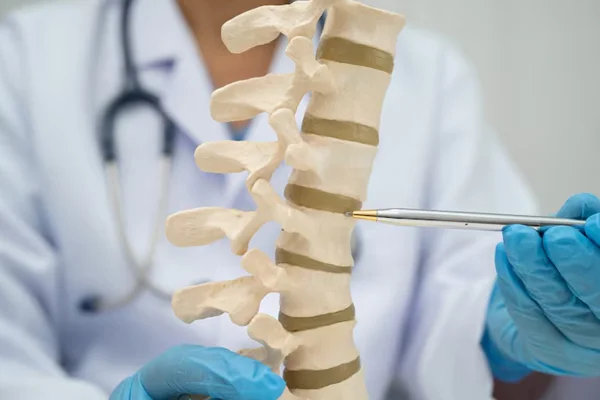
Spinal injuries can occur due to road accidents, falls, sports injuries, or other high-impact trauma. Depending on the severity, these injuries may affect the vertebrae, spinal ligaments, intervertebral discs, or spinal cord. Timely medical evaluation is essential to identify the extent of damage, protect neurological function, and determine the appropriate treatment.
If you are searching for Spine Trauma Surgery in Noida, it is important to consult an appropriate medical team for accurate diagnosis and treatment planning. Spine trauma management may involve emergency stabilisation, specialised imaging, non-surgical treatment, or surgery, depending on the injury.
At Dhawan Joint & Bone Care, Dr. Tushar Dhawan provides orthopaedic evaluation for musculoskeletal injuries. Suspected spinal fractures, spinal cord injuries, or complex spinal trauma require urgent hospital assessment and involvement of a qualified spine surgeon or neurosurgeon when indicated.
Spine trauma surgery refers to surgical procedures used to treat certain injuries involving the bones and supporting structures of the spine. The spine consists of vertebrae that protect the spinal cord and help support the body during movement.
Trauma can cause vertebral fractures, dislocations, ligament injuries, or damage to the structures surrounding the spinal cord. Some injuries remain stable and can be managed without surgery, while others may require an operation to restore stability, protect neurological structures, or address compression.
The type of treatment depends on the location of the injury, fracture pattern, spinal stability, neurological findings, and the patient's overall condition.
Spinal injuries can occur in different situations, including:
High-impact collisions involving cars, motorcycles, or other vehicles can cause fractures or dislocations in the cervical, thoracic, or lumbar spine.
Falls from ladders, stairs, buildings, or other elevated surfaces can cause vertebral compression fractures or more complex spinal injuries.
Contact sports, diving accidents, and high-impact recreational activities can result in spinal trauma, particularly when the head, neck, or back experiences sudden force.
Heavy impacts, falls, or machinery-related accidents may cause spinal fractures and associated musculoskeletal injuries.
People with osteoporosis or reduced bone strength may experience vertebral fractures after relatively minor falls or injuries. These fractures require appropriate assessment to determine their severity and treatment needs.
Symptoms vary according to the location and severity of the injury. Possible signs include:
Severe neck or back pain following an accident
Tenderness over the spine
Difficulty sitting, standing, or walking
Numbness or tingling in the arms or legs
Weakness in the limbs
Reduced coordination or balance
Changes in sensation
Loss of bladder or bowel control
Difficulty breathing in severe cervical spinal injuries
Suspected spinal trauma is a medical emergency. After a serious accident or fall, do not attempt to straighten the spine, move the injured person unnecessarily, or ask them to stand or walk. Call emergency services, especially if there is severe neck or back pain, limb weakness, numbness, or altered consciousness.
The cervical spine is located in the neck. Injuries in this region can be serious because of the spinal cord and nerves passing through it. Cervical fractures and dislocations require careful assessment and stabilisation.
The thoracic spine forms the middle portion of the back. Trauma can cause vertebral fractures, ligament damage, and, in severe cases, neurological complications.
The lumbar spine is located in the lower back and bears a substantial portion of the body's weight. Trauma can cause fractures, instability, and pain that affects movement.
Compression fractures occur when a vertebral body collapses partially or substantially. They may result from major trauma or weakened bones, including osteoporosis.
These injuries involve fractures along with displacement of spinal structures. They may create significant instability and require urgent specialist evaluation.
Some spinal injuries damage or compress the spinal cord, potentially causing weakness, sensory changes, or paralysis. Rapid specialist assessment is essential.
Accurate diagnosis helps determine the severity of the injury and whether urgent intervention is required.
The medical team assesses the injury mechanism, pain, limb strength, sensation, reflexes, and other neurological findings. In major trauma, initial evaluation also focuses on stabilising the patient's overall condition.
X-rays may help identify certain fractures and alignment abnormalities, although they cannot detect every significant spinal injury.
CT scans are frequently used in significant spinal trauma to assess fractures, bone displacement, and the structural integrity of the vertebrae.
MRI may be required to evaluate the spinal cord, ligaments, discs, nerve structures, or other soft tissues when clinically indicated.
The choice of imaging depends on the type of injury, symptoms, examination findings, and the urgency of the situation.
Treatment is determined by the injury's severity, spinal stability, neurological involvement, and the patient's general health.
Initial management may include careful handling, spinal precautions, pain management, and assessment of other injuries. Patients with major trauma may require treatment by a multidisciplinary emergency team.
Selected stable spinal fractures without significant neurological compromise may be managed using appropriate pain relief, activity modification, bracing in certain cases, and clinical follow-up.
Surgery may be recommended when a spinal injury causes instability, significant displacement, or other complications that cannot be adequately managed through non-surgical treatment.
Depending on the injury, procedures may involve screws, rods, or other fixation systems to stabilise the affected spinal segments.
When bone fragments or other structures compress the spinal cord or nerves, a specialist may consider surgery to relieve the pressure. The decision depends on neurological findings, imaging, and the type of injury.
Certain vertebral compression fractures may be considered for procedures such as vertebroplasty or kyphoplasty. These are not appropriate for every fracture, and a specialist must assess the specific injury and available treatment options.
Rehabilitation may be required to improve mobility, strength, balance, and independence after a spinal injury. The programme must be tailored to the injury and should begin only when the treating team considers it safe.
Not every spinal fracture requires surgery. Surgical treatment may be considered in situations such as:
An unstable vertebral fracture
Significant displacement or deformity
Spinal fracture-dislocation
Compression of the spinal cord or nerve structures
Neurological deterioration associated with the injury
Certain injuries that cannot be adequately managed with bracing or other conservative treatment
The decision requires a detailed assessment by an appropriately qualified spine surgeon or neurosurgeon, often in coordination with the wider trauma team.
Recovery varies significantly according to the location and severity of the injury, neurological involvement, treatment method, and overall health.
After treatment, the medical team monitors pain, wound healing, neurological function, and possible complications.
Movement and walking may begin when medically appropriate. The timing depends on spinal stability, the procedure performed, and any associated injuries.
A structured rehabilitation plan may help improve strength, mobility, balance, and daily function. Patients with spinal cord injuries may require specialised rehabilitation.
Follow-up visits and imaging, when indicated, help assess healing, spinal alignment, and the progress of recovery.
Patients should follow their treating team's instructions regarding lifting, bending, twisting, driving, and returning to work or sports.
Spinal trauma can lead to complications depending on the nature of the injury. These may include:
Persistent pain
Reduced spinal mobility
Spinal deformity or instability
Nerve damage
Spinal cord injury and weakness
Loss of sensation or paralysis
Bladder or bowel dysfunction
Infection following surgery
Blood clots during prolonged immobility
Delayed fracture healing
Prompt evaluation and appropriate specialist treatment can help identify serious injuries and guide management. However, outcomes depend on the original injury and its severity.
Dr. Tushar Dhawan has an orthopaedic background with experience in joint replacement, arthroscopy, and trauma care.
An orthopaedic evaluation can help assess musculoskeletal injuries and determine appropriate next steps.
Treatment recommendations depend on clinical findings, imaging results, injury severity, and the patient's overall condition.
Suspected spinal instability, spinal cord injury, or complex spinal trauma requires prompt referral to an appropriately qualified spine surgeon or neurosurgeon.
Once the injury has been stabilised and the treatment plan established, rehabilitation and follow-up can support recovery according to the patient's needs.
Seek emergency care immediately after a serious accident or fall if you have severe neck or back pain, limb weakness, numbness, difficulty walking, loss of bladder or bowel control, or other signs of possible spinal cord injury.
Do not wait for symptoms to worsen or attempt to manage suspected major spinal trauma at home. Early assessment is important because some serious injuries may not be immediately obvious.
Spinal injuries require careful evaluation to determine the extent of damage and the most appropriate treatment. Depending on the injury, management may involve emergency stabilisation, conservative care, surgery, and structured rehabilitation.
At Dhawan Joint & Bone Care, Dr. Tushar Dhawan provides orthopaedic evaluation for musculoskeletal injuries in Noida. Suspected spinal fractures or complex spinal trauma should be assessed urgently in a hospital with access to the appropriate spine surgery and emergency care services.
Spine trauma surgery includes procedures used to treat certain spinal injuries, such as unstable fractures, fracture-dislocations, or injuries causing pressure on the spinal cord or nerves. The exact procedure depends on the injury and specialist assessment.
Surgery may be necessary when a fracture causes significant instability, displacement, spinal cord or nerve compression, or other complications that cannot be adequately managed without an operation. Stable fractures may be treated conservatively in selected cases.
Call emergency services and avoid unnecessary movement of the injured person. Do not attempt to straighten the neck or back or ask the person to stand. Emergency professionals can assess and stabilise the injury.
CT scans are commonly used to assess bone fractures in significant trauma. MRI may be needed to evaluate the spinal cord, ligaments, discs, and other soft tissues. The choice depends on the clinical situation.
Recovery depends on the injury, the procedure performed, neurological involvement, and the patient's overall health. Some patients recover over several weeks or months, while severe injuries may require prolonged rehabilitation.
Severe spinal trauma can injure the spinal cord and cause weakness, loss of sensation, or paralysis. The outcome depends on the location and severity of the injury and the extent of neurological damage.
No. Some stable fractures can be managed with pain control, activity modification, bracing in selected cases, and follow-up. Unstable fractures or injuries involving neurological compromise may require surgery.
Suspected spinal trauma after a major accident requires immediate emergency hospital assessment. For complex spinal fractures or possible spinal cord injuries, care should involve a qualified spine surgeon or neurosurgeon. Dhawan Joint & Bone Care can provide orthopaedic evaluation for appropriate musculoskeletal concerns, with specialist referral when required.


