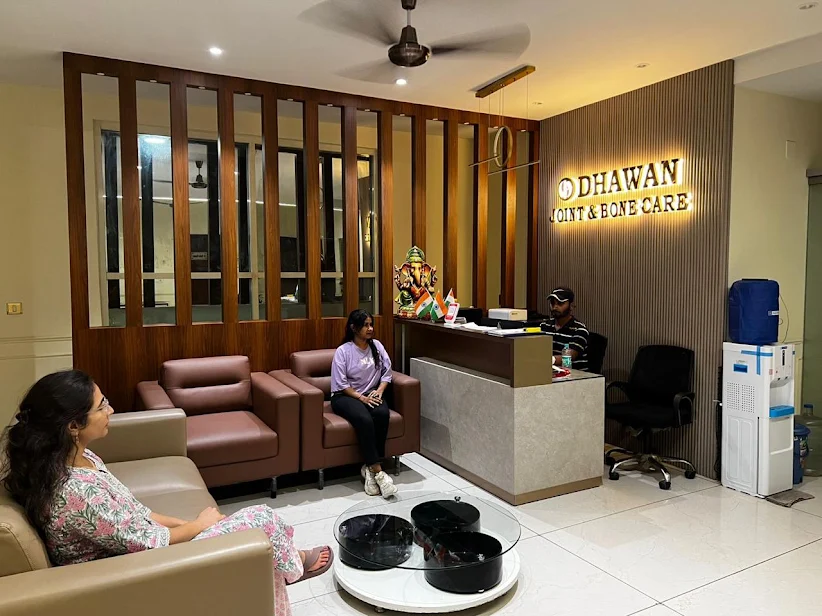
Healthy bones and joints are essential for maintaining an active and comfortable lifestyle. However, problems such as joint pain, fractures, sports injuries, back pain and movement difficulties often affect daily activities. Ignoring these symptoms could lead to further discomfort and restricted mobility. Consulting an experienced Orthopaedic Surgeon in Noida Sector 34 helps patients understand their condition and receive appropriate treatment based on their individual needs.
Orthopaedic specialists diagnose and treat conditions affecting bones, joints, muscles, ligaments, tendons and other parts of the musculoskeletal system. From minor injuries to complex orthopaedic conditions, the right medical guidance plays an important role in recovery and long-term mobility.
An orthopaedic surgeon specialises in identifying and managing conditions related to the musculoskeletal system. These specialists work with patients of different age groups and address both sudden injuries and long-term conditions.
Some common problems treated by orthopaedic surgeons include:
Knee pain and joint stiffness
Hip pain and mobility problems
Shoulder injuries and restricted movement
Bone fractures and dislocations
Sports-related injuries
Ligament and tendon damage
Arthritis and degenerative joint conditions
Back and neck-related musculoskeletal problems
Treatment depends on the patient's medical history, symptoms, age, physical activity and diagnostic findings. Depending on the condition, an orthopaedic specialist might recommend medication, physiotherapy, lifestyle changes, injections or surgical procedures.
Many people experience occasional muscle or joint discomfort. However, persistent symptoms should not be ignored, particularly if they interfere with everyday activities.
Consider consulting an orthopaedic specialist if you experience:
Continuous pain in the knees, hips or shoulders.
Difficulty walking, standing or climbing stairs.
Swelling around joints after an injury.
Reduced flexibility or restricted joint movement.
Repeated sports injuries or muscle strains.
Pain following an accident or fall.
Difficulty performing routine physical activities.
Early evaluation helps identify the underlying cause and supports timely treatment. Sudden severe pain, visible deformity or suspected fractures following an accident require immediate medical attention.
Modern orthopaedic care includes several treatment options designed to address different bone and joint conditions. An experienced Orthopaedic Surgeon in Noida Sector 34 evaluates the patient's condition before recommending a suitable approach.
1. Joint Replacement Surgery
Joint replacement procedures are considered for patients experiencing severe joint damage, particularly due to advanced arthritis. Knee and hip replacement surgeries involve replacing damaged joint surfaces with artificial components to improve movement and reduce pain.
2. Sports Injury Treatment
Sports injuries often affect ligaments, tendons, muscles and joints. Treatment options depend on the type and severity of the injury. Some patients recover with physiotherapy and rehabilitation, while others require surgical intervention.
3. Fracture Management
Fractures require proper evaluation to determine the location, type and severity of the bone injury. Treatment might involve immobilisation, casting or surgical fixation using specialised implants.
4. Shoulder and Elbow Treatment
Shoulder pain, rotator cuff injuries, dislocations and joint degeneration often require specialised care. Treatment focuses on restoring joint function, reducing discomfort and improving arm movement.
5. Minimally Invasive Orthopaedic Procedures
Arthroscopic procedures use a small camera and specialised instruments to examine and treat certain joint conditions. These techniques are suitable for selected patients and depend on the specific injury or diagnosis.
Selecting an appropriate orthopaedic surgeon is an important part of the treatment process. Patients should consider the surgeon's qualifications, relevant experience, treatment approach and experience with the particular condition.
A reliable orthopaedic consultation generally includes a detailed medical history, physical examination and diagnostic investigations whenever required.
Patients should also understand the available treatment options, expected recovery period, possible risks and rehabilitation requirements before making decisions about surgery.
Treatment does not always end with medication or surgery. Rehabilitation plays an important role in improving strength, flexibility and joint movement.
Depending on the condition, a recovery programme might include:
Guided physiotherapy sessions.
Muscle-strengthening exercises.
Joint mobility activities.
Posture correction.
Gradual return to daily activities.
Regular follow-up consultations.
Following medical instructions and maintaining consistency during rehabilitation supports recovery. Patients should avoid strenuous activities until their treating specialist confirms that they are ready.
Bone and joint conditions should receive appropriate medical attention rather than being managed only through temporary pain relief. Patients looking for an Orthopaedic Surgeon in Noida Sector 34 should prioritise proper diagnosis, personalised treatment planning and structured rehabilitation.
Whether you are experiencing persistent knee pain, a shoulder injury, a fracture or difficulty walking, an orthopaedic consultation helps identify suitable treatment options. Timely care and professional guidance support better mobility and help patients work towards a more comfortable and active lifestyle.
1. What conditions does an orthopaedic surgeon treat?
An orthopaedic surgeon treats conditions involving bones, joints, muscles, ligaments and tendons. Common problems include fractures, arthritis, sports injuries, knee pain, hip disorders and shoulder conditions.
2. Do all orthopaedic conditions require surgery?
No. Many orthopaedic conditions respond to non-surgical treatments such as medication, physiotherapy, activity modification and rehabilitation. Surgery is considered based on the diagnosis and severity of the condition.
3. Should I consult an orthopaedic surgeon for continuous knee pain?
Yes. Persistent knee pain, swelling, stiffness or difficulty walking should be evaluated by an orthopaedic specialist. Early diagnosis helps determine the underlying cause and appropriate treatment.


