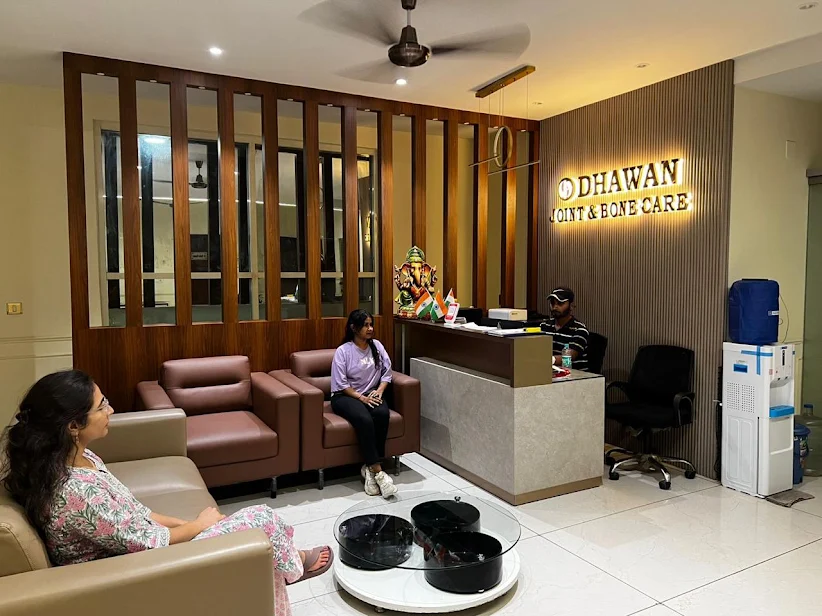
Sports and physical activities help maintain fitness, strength and flexibility. However, sudden movements, excessive training, falls and accidental impacts sometimes lead to injuries affecting muscles, ligaments, tendons and joints. These injuries might cause pain, swelling and difficulty performing regular activities. For athletes and physically active individuals, Sports Injury Surgery in Noida Sector 35 offers specialised treatment for injuries that require surgical intervention.
Sports injury management focuses on identifying the damaged structures, restoring joint stability and supporting a safe return to physical activities. Depending on the severity of the injury, treatment involves medication, physiotherapy, rehabilitation or surgery.
Sports injuries occur during athletic activities, exercise sessions and recreational sports. They often affect the knees, shoulders, ankles, elbows and other joints.
Some injuries develop suddenly due to accidents or incorrect movements, while others occur gradually because of repeated stress on muscles and joints.
Common sports injuries include:
Anterior cruciate ligament (ACL) tears.
Meniscus injuries.
Rotator cuff tears.
Shoulder dislocations.
Ankle ligament injuries.
Achilles tendon injuries.
Muscle strains and tendon damage.
Cartilage injuries.
The severity of these injuries differs between individuals. Proper diagnosis helps determine the most appropriate treatment.
Sports injuries happen for several reasons. Understanding their causes helps athletes follow better training and injury-prevention practices.
1. Sudden Changes in Direction: Activities such as football, basketball and badminton involve quick turning movements that increase stress on knee and ankle ligaments.
2. Improper Training Techniques: Incorrect exercise methods and poor movement patterns sometimes place unnecessary pressure on muscles and joints.
3. Overtraining: Repeated physical activity without sufficient recovery contributes to overuse injuries affecting tendons, muscles and bones.
4. Accidental Falls: Falling during running, cycling or contact sports might cause fractures, dislocations and ligament damage.
5. Inadequate Warm-Up: Starting intense physical activity without suitable preparation might increase the risk of certain muscle and joint injuries.
Some sports injuries cause immediate pain, while others develop gradually. Athletes should not ignore symptoms that affect their performance or daily movement.
Common warning signs include:
Sudden pain during physical activity.
Swelling around a joint.
Difficulty bending or straightening the knee.
A popping sensation during an injury.
Joint instability while walking or running.
Reduced muscle strength.
Restricted shoulder or ankle movement.
Pain that continues despite rest.
A sports injury specialist evaluates these symptoms through physical examination and diagnostic investigations. MRI scans, X-rays and other tests help identify the extent of tissue damage.
An experienced specialist offering Sports Injury Surgery in Noida Sector 35 evaluates the injury and recommends surgery only when clinically appropriate.
1. ACL Reconstruction Surgery
The anterior cruciate ligament helps stabilise the knee during movements such as running, jumping and changing direction. ACL reconstruction involves replacing the damaged ligament with a graft to restore knee stability.
2. Meniscus Repair Surgery
The meniscus acts as a cushion between the thigh bone and shin bone. A significant tear might require arthroscopic repair or removal of the damaged portion, depending on the injury.
3. Shoulder Arthroscopy
Shoulder arthroscopy uses a small camera and specialised instruments to diagnose and treat selected shoulder problems, including rotator cuff tears and certain instability conditions.
4. Rotator Cuff Repair
The rotator cuff consists of muscles and tendons that support shoulder movement. Surgery might be recommended for selected significant tendon tears that do not respond adequately to conservative treatment.
5. Ankle Ligament Reconstruction
Repeated ankle sprains sometimes result in chronic instability. Surgical reconstruction helps selected patients with persistent ligament problems.
Arthroscopy is a minimally invasive surgical technique used to examine and treat certain joint conditions. The surgeon inserts a small camera through a small incision to view the affected area.
Specialised instruments are used through additional small incisions to perform the required treatment.
Potential advantages in suitable cases include:
Smaller surgical incisions.
Detailed visualisation of joint structures.
Treatment of selected ligament and cartilage injuries.
Less disruption to surrounding tissues in certain procedures.
Structured post-operative rehabilitation.
The benefits and recovery period depend on the specific surgery and individual medical condition.
Surgery is only one part of sports injury recovery. Rehabilitation helps restore joint movement, muscle strength, flexibility and coordination.
A structured recovery programme might include:
Initial protection of the injured joint.
Controlled movement exercises.
Progressive muscle strengthening.
Balance and coordination training.
Sport-specific rehabilitation.
Gradual return to training.
Athletes should not resume competitive sports until they meet the required recovery and functional criteria set by their treating specialist.
Selecting an appropriate orthopaedic specialist is important for accurate diagnosis and effective injury management. Patients should consider the surgeon's experience in sports-related procedures, diagnostic facilities, surgical techniques and rehabilitation support.
People searching for Sports Injury Surgery in Noida Sector 35 should discuss their injury, treatment alternatives, surgical risks and expected recovery with an experienced specialist.
With appropriate treatment and consistent rehabilitation, injured individuals can work towards restoring joint function and returning to their preferred physical activities.
1. Which sports injuries require surgery?
Severe ACL tears, certain meniscus injuries, significant rotator cuff tears, recurrent shoulder dislocations and chronic ankle instability might require surgery. The decision depends on injury severity and the patient's activity requirements.
2. Is arthroscopic surgery used for sports injuries?
Yes. Arthroscopy is commonly used for selected knee and shoulder injuries. It allows surgeons to examine and treat certain damaged joint structures through small incisions.
3. How long does recovery take after sports injury surgery?
Recovery depends on the injury and surgical procedure. Some patients resume routine activities within weeks, while ligament reconstruction and other complex procedures often require several months of rehabilitation.


